Scale Up Farmers Field and Business

The Farmer Field and Business School (FFBS) Scale-Up project aimed at enhancing climate-resilient agriculture, market access, income, nutrition, and equality for women and girls. The project directly reached 9,874 smallholder farmers (128% of the target), with women comprising about 70% demonstrating its strong empowering women ang girls.

The Scale-Up Farmers Field and Business School (FFBS) Project was a flagship initiative by CARE Tanzania designed to strengthen the livelihoods of smallholder farmers, especially women, by combining agriculture, business skills, and equality for women and girls

In Tanzania, many smallholder farmers face interconnected challenges: low productivity, limited access to markets, financial constraints, and persistent inequalities for women and girls. These challenges often reinforce each other, keeping farming households in cycles of vulnerability.

The FFBS project takes a different approach.

Rather than addressing these issues in isolation, it delivers a holistic model that integrates:

  • Climate-smart agriculture
  • Agribusiness and market skills
  • Savings and financial inclusion
  • Nutrition awareness
  • Equality for Women and girls.

By doing so, the project supports farmers not only to produce more, but to earn more, make informed decisions, and build resilient livelihoods.
From project to system: What “scale-up” means

The “scale-up” dimension of FFBS goes beyond expanding reach. It is about embedding a proven model into systems that can sustain impact over time.

This includes:

  • Expanding access to more farmers, villages, and regions
  • Strengthening institutions, including universities, and government extension services
  • Integrating FFBS into national frameworks and training systems
  • Building stronger value chains, linking farmers to markets and opportunities

The result is a shift from a stand-alone project to a nationally recognized approach to rural development.

Expected Project Outcomes:

  • Increased adoption of sustainable agricultural practices.
  • Improved farm productivity and yields.
  • Enhanced farmer business skills and income.
  • Strengthened market linkages and access to markets.
  • Improved food security and nutrition for participating farmers and their families


Project Achievements:

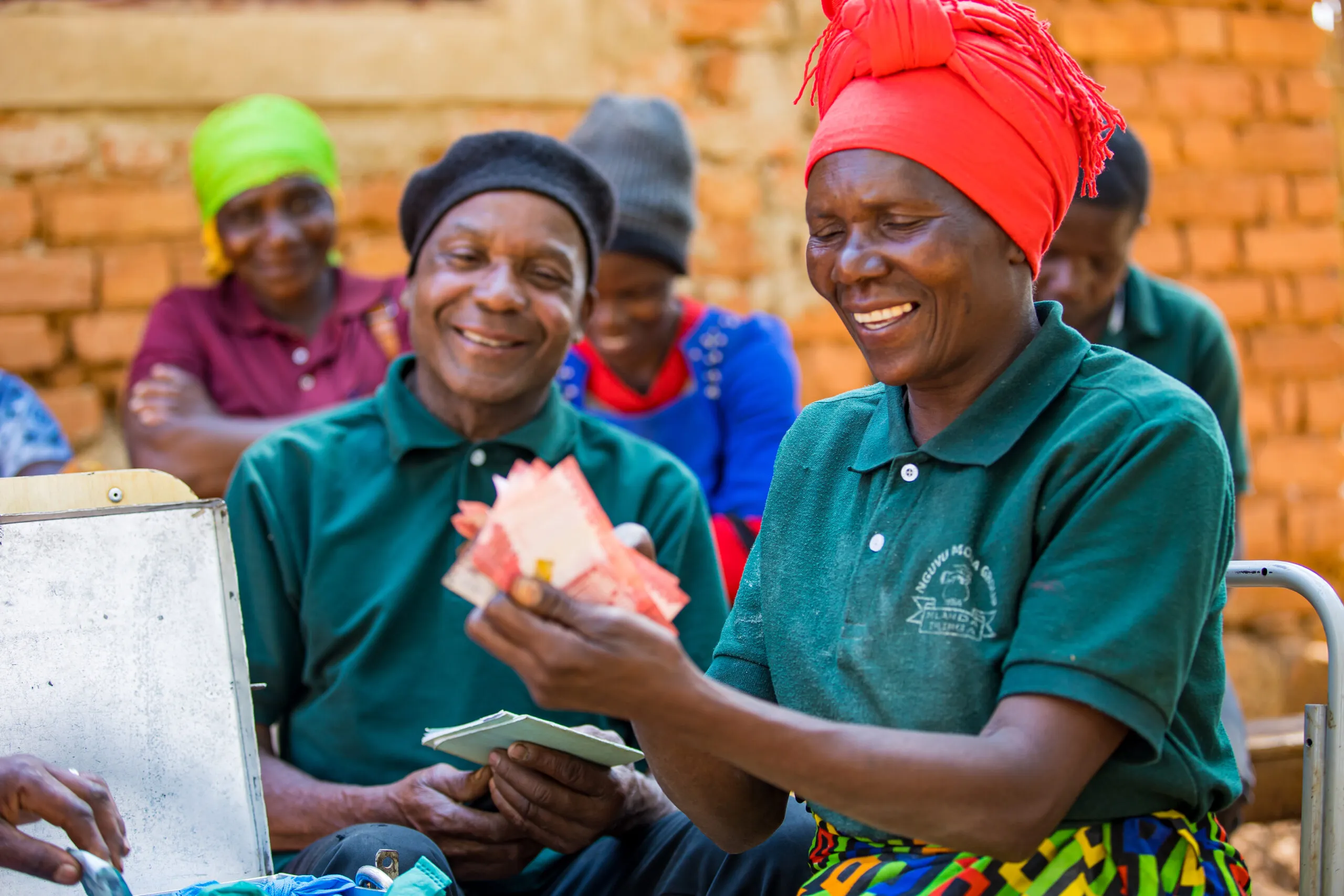
  • The project is working with 8,447 (2,682M & 5,765F) small-scale producers in 364 Village Savings and Loan Association (VSLA) groups.
  • The project has influenced the adoption of the Farmer Field and Business School model into National Agriculture Extension Guideline (NAEGs), particularly Farmer Field School guidelines by reviewing 2 guidelines and incorporation of the model into the University Curriculum on extension and crop science courses for undergraduate and postgraduate students by developing the textbooks.
  • The Department of Agricultural Extension and Community Development under the Sokoine University of Agriculture has developed three handbooks to support the revised curriculum that integrated FFBS components and women and girls transformative approaches. These courses are: AAE 354 Industrial Training III Farmer Field and Business School (FFBS), AEE 616 Gender Transformative Approaches in Agricultural Extension, AEE 721 Farmer Field and Business School (FFBS), and CRD 802: Gender Transformative Approaches for Community Resources Management and Development: Application to Farmer Field and Business School.
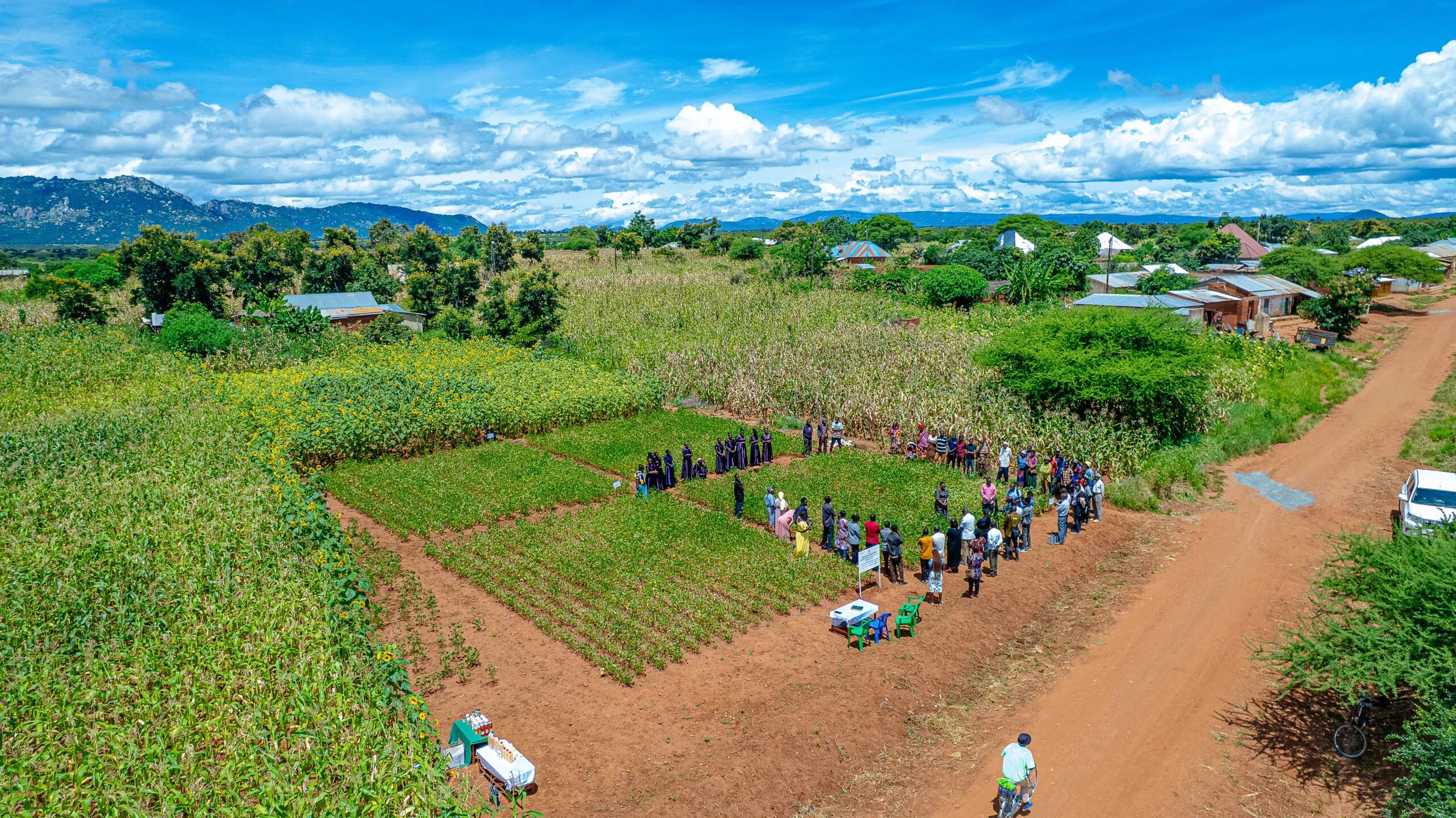
  • 308 demonstration plots have been established in 62 villages out of targeted 308 demonstration plots in the duration of projects, this is equivalent to 100%. The demonstration plots are used for learning by doing to farmers and transferring of knowledge and agriculture skills to farmers and farmers in the nearby villages.

Success Story: Safia Soybean - A Transformational Journey of Women Farmers in Mlanda village

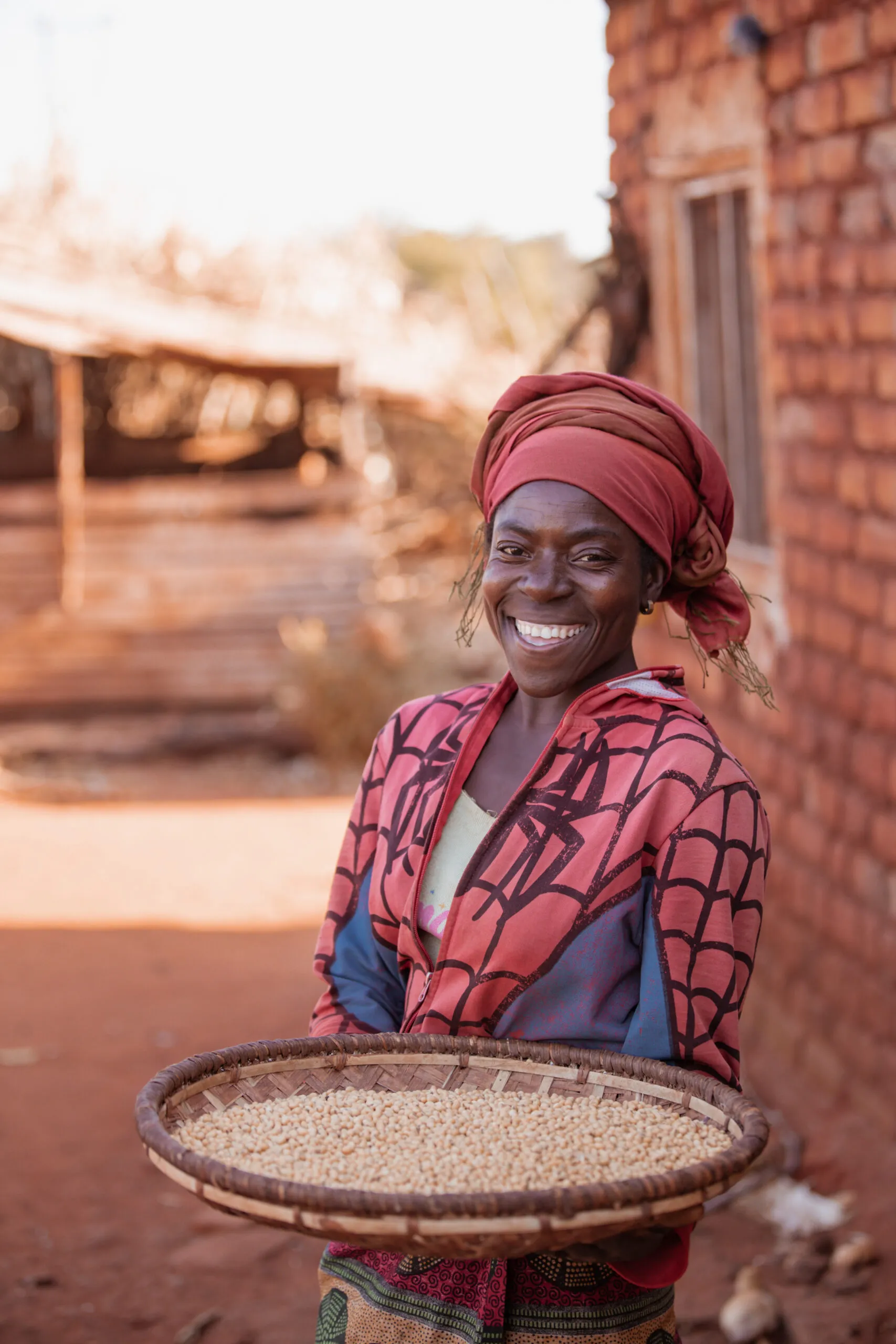
Safia Madenge, aged 39, is a woman farmer and a mother of three children living in Mlanda village in Iringa District. Her story serves as a testament to the Scale Up FFBS project’s contribution to empowering women farmers.

Read More

Success Story: Creating an Equal Future Through Good Agricultural Practices - Agnes Madati Story

This is the story of Agnes Madati who through adoption of the Good Agricultural Practices through the Scale Up Farmers and Field Business School project achieved remarkable achievement in her yield and at household level.

Read More

Improved Health and Nutrition in the Community Through the use of Soybean

The community members in Iringa District have been trained to process soybean for nutrition and for earning income through the sale of soybean nutritious flour. Using soybean nutritious flour, it has resulted to improved health and weight gain among the children and adults and treatment of weak joints. 

Read More

Project News