
Advancing Gender Equity Justice through CARE Inclusive Farmer’s Field and Business Schools (FFBS)

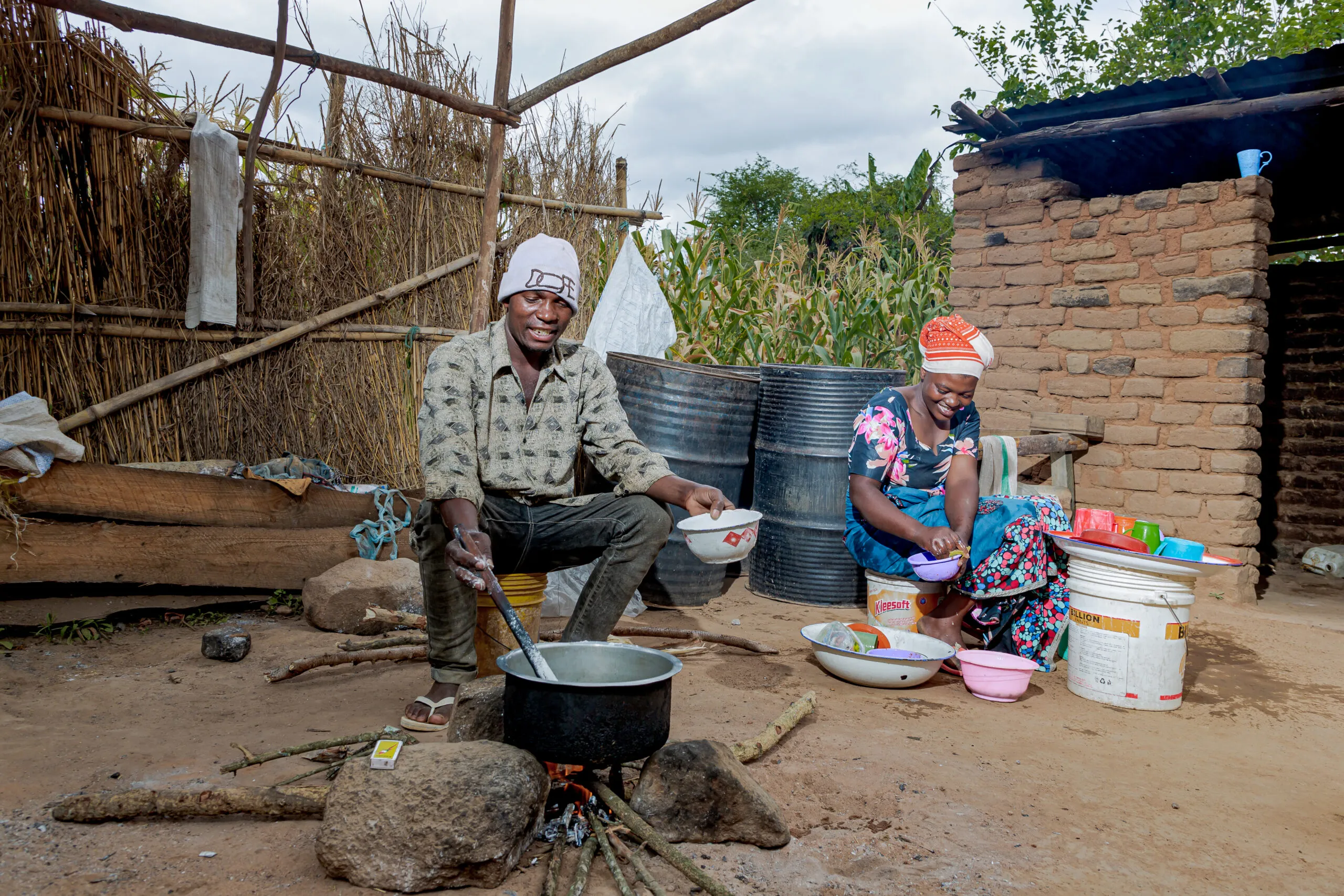
In Iringa District, Tanzania, women farmers spend 5.36 hours every day on unpaid care work — nearly 4 hours more than men. This project integrates unpaid care modules into CARE’s proven Farmer Field and Business School (FFBS) model to reduce women’s time poverty, redistribute care responsibilities, and unlock greater agricultural productivity, incomes, and decision-making power.

About the Project

The Advancing Gender Equity Justice through Care-Inclusive Farmer Field and Business Schools project is a pioneering research and implementation initiative that adapts CARE’s globally recognized Farmer Field and Business School (FFBS) model to explicitly address unpaid care and domestic work (UCW).

Standard FFBS is a participatory, hands-on extension approach that helps small-scale women farmers:

  • Increase production and yields
  • Access markets and earn higher incomes
  • Improve nutrition and household food security
  • Build business skills and group collaboration
  • Challenge harmful gender norms with men, youth, and community leaders
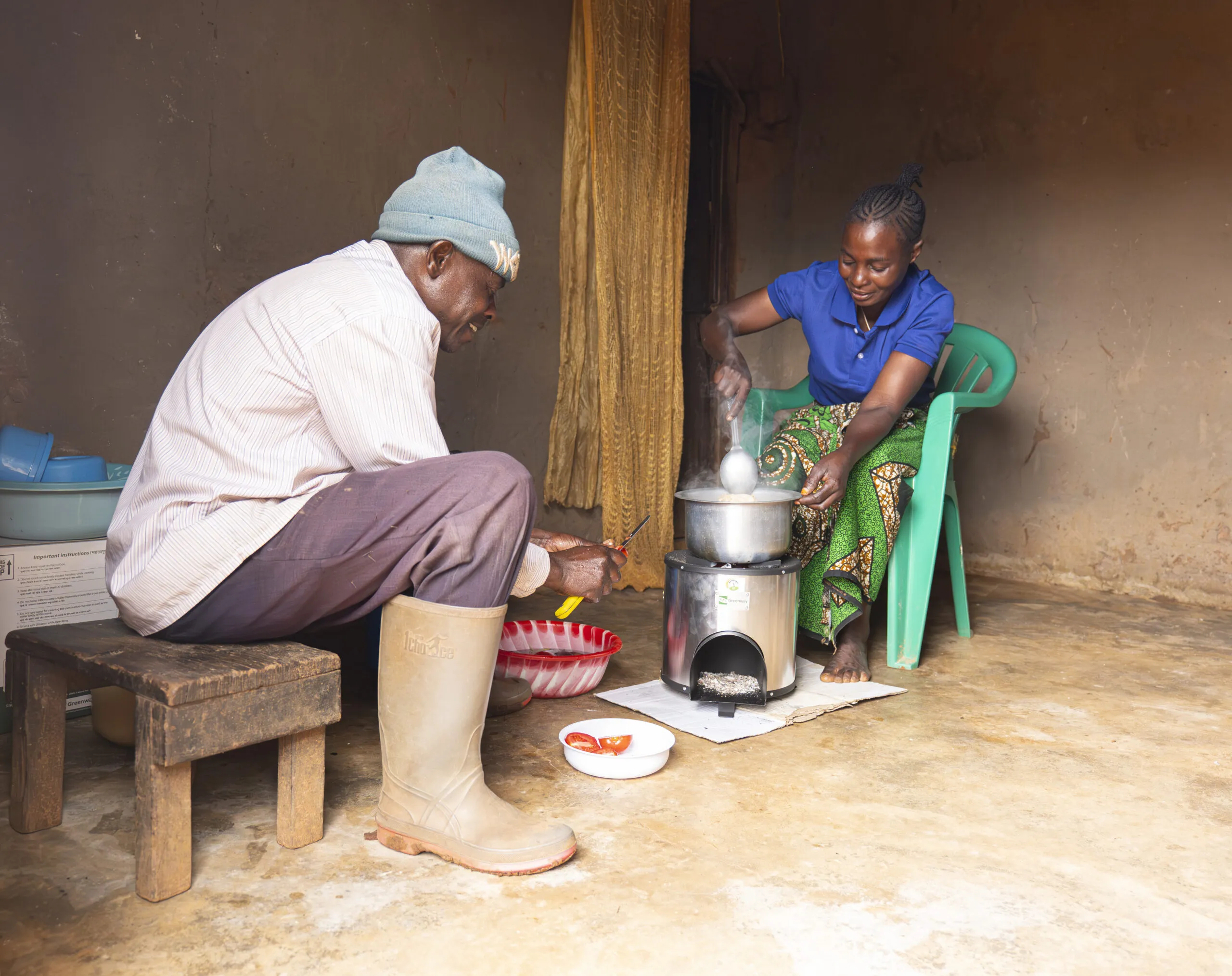
This project goes further by adding dedicated modules on unpaid care work, its links to household decision-making, earnings, expenditures, and social norms. Implemented in Iringa District, it tests whether a care-inclusive FFBS delivers stronger, more sustainable empowerment outcomes for women and girls compared to the standard model.

The project is part of the broader Scaling Care Innovations in Africa initiative, co-funded by Global Affairs Canada and International Development Research Centre (IDRC)


 Key Objectives

  • Reduce and redistribute unpaid care work through targeted gender dialogues and norm-shifting activities.
  • Boost women farmers’ productivity, profitability, and livelihoods by strengthening FFBS training.
  • Promote community investments in time-saving technologies and care infrastructure (e.g., labor-saving devices, collective childcare).
  • Generate rigorous evidence on the intersections of care, gender equity, and food systems to influence national agricultural policies and extension services.
  • Create scalable tools and pathways for nationwide adoption of care-inclusive FFBS


of the unpaid care work are done by women. Hence spending 5.5 hours daily compared to 1.6 hours by men.


Baseline Findings (Laterite Research Partner 

Laterite conducted a clustered Randomized Controlled Trial (cRCT) with 1,186 households (946 dual-adult + 240 female-headed) and over 2,132 respondents in Iringa District. Using 24-hour time-use recall (adapted from Pro-WEAI) and validated social norms scales, the baseline revealed:

  • Women’s unpaid care burden: In dual-adult households, men spend 1.6 hours and women spend 5.5 hours on unpaid care work on primary activities (cooking, cleaning, childcare, water collection, etc.).
  • Gender gap in dual-adult households: Women perform 3.9 hours more on unpaid care per day than men (5.5 hours vs. 1.6 hours daily), accounting for about 78% of the total unpaid care workload.
  • Visibility of childcare: Women spend much more time than men providing childcare as a secondary activity which increases the gap to 4.7 hours of women spending on unpaid care.
  • Social norms: Findings show that men may perceive that sharing in household chores as socially acceptable but are not personally motivated to engage in these activities

These findings set clear, measurable targets for the intervention.

Learn more about the baseline findings

Read More