
Our History in Tanzania
Our Story
Every organization has an origin story. Ours begins not in a boardroom, but in the chaos and grief of one of the twentieth century’s darkest moments.
CARE began working in Tanzania in April 1994, in response to the crisis in Rwanda and the subsequent influx of refugees into the Kagera Region of North-western Tanzania. Hundreds of thousands of people were fleeing violence, hunger, and fear—and CARE was among the first to respond. We came to save lives. What we found and what we built was far more lasting than we could have imagined.
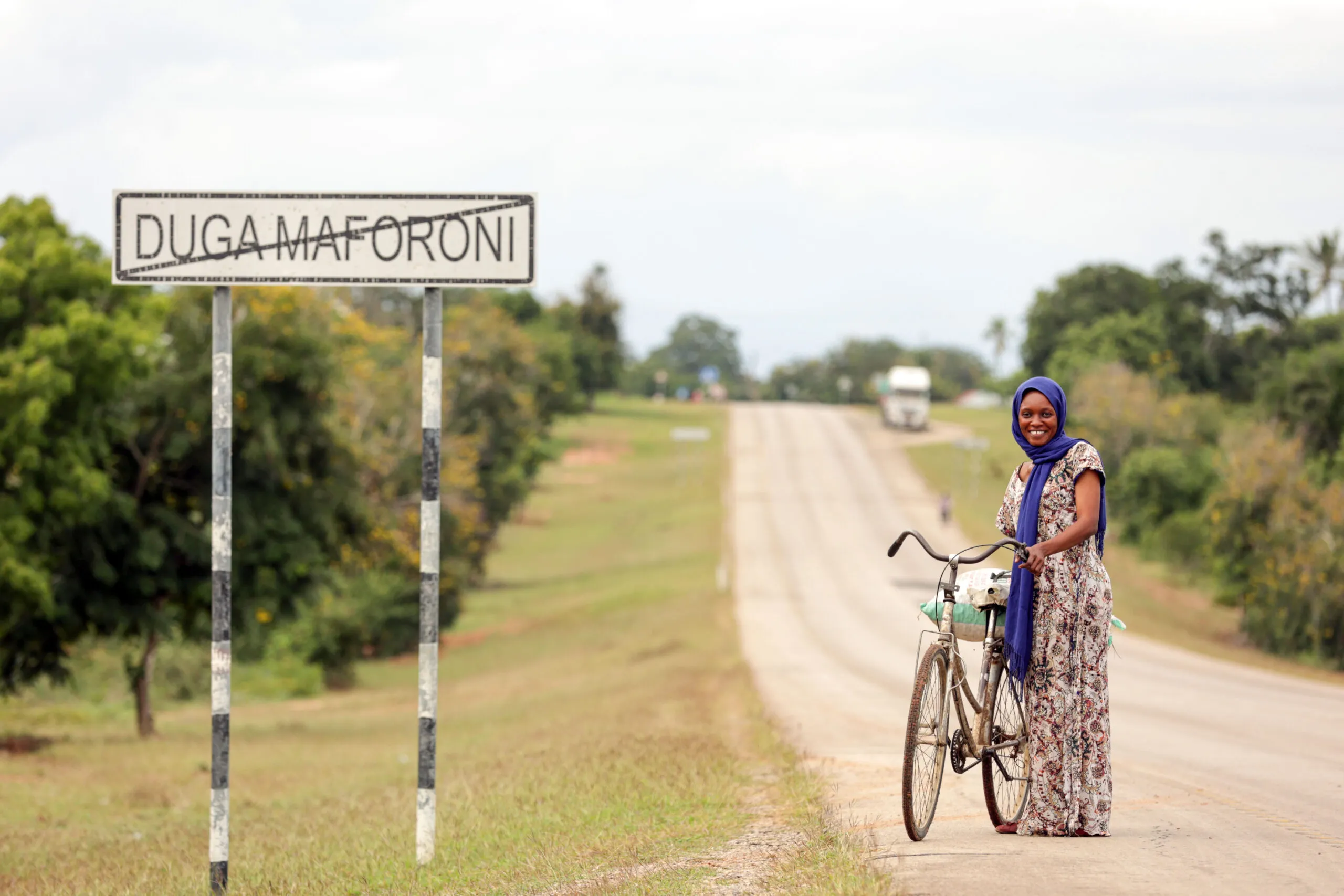
Over three decades, that emergency response evolved into a movement. A movement rooted in communities across Tanzania. A movement powered by women and girls who refused to accept poverty as their destiny. A movement that now spans regions from the shores of Lake Tanganyika to the islands of Zanzibar and that has touched the lives of hundreds of thousands of Tanzanians through more than 100 projects since 1995.
This is our story.
Watch our impact
Experience real stories of women and communities transforming their lives.