
Her Money, Her Life

Supporting Women Economic Independence in Tea and Spices

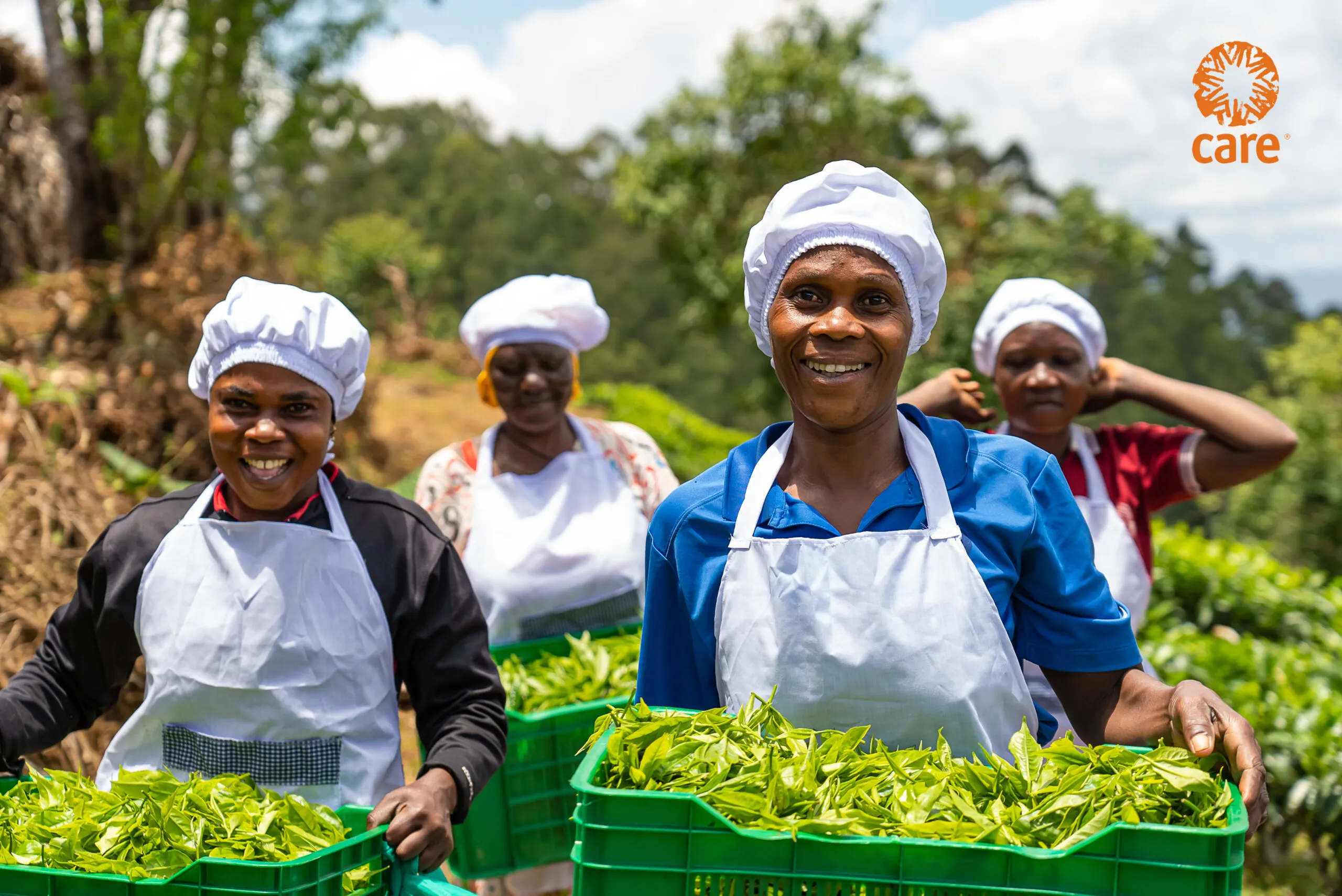
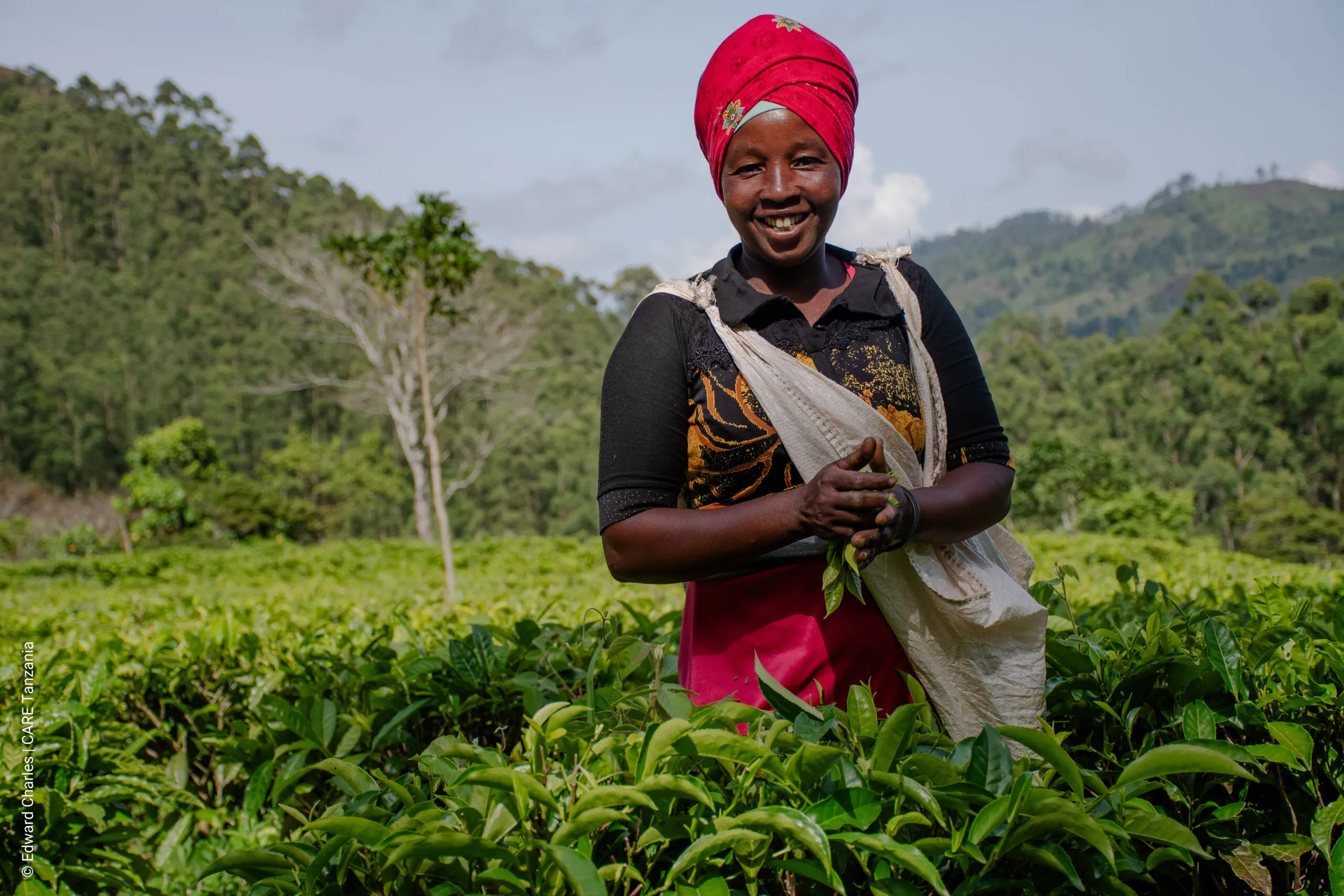
In Tanzania, tea is a vital cash crop and a cornerstone of rural livelihoods, particularly in regions like Tanga, Iringa, Njombe, and Mbeya. However, despite women performing the majority of labor in tea production especially the labor-intensive task of plucking leaves the tea sub-sector remains heavily male-dominated.

Her Money, Her Life (HMHL) is a women-centered economic independence project, funded by Bloomberg Philanthropies. It focuses on increasing women farmers’ independence and economic opportunities in Tanzania’s tea sub-sector (and related value chains like spices and cassava), while challenging traditional gender roles in agriculture.

The project uses Village Savings and Loan Associations (VSLAs) as the core entry point, combined with entrepreneurship training, collective investment, value addition, market linkages, land rights support, and advocacy for systemic change.

The Goal: To boost the quality, quantity, and diversification of women’s contributions in the tea value chain, enabling them to earn more, own assets (including land), and participate in decision-making at household, cooperative, and community levels
Key Problems:

  •  Women are largely confined to plucking tea while men control ownership, processing, marketing, and sales.
  • Limited land and asset ownership — women often lack formal titles or control over land and bank accounts.
  • Financial exclusion — tea sales proceeds typically go to men’s accounts, restricting women’s access to credit and inputs.
  • Low decision-making power — even when women contribute significantly, men usually control household income and major farming decisions.
  • Minimal value addition — most smallholders sell raw green leaf at low prices, missing higher returns from processing.

These structural barriers result in lower economic independence for women, reduced household investment in nutrition and education, and slower sector growth.

Her Money, Her Life is designed to directly tackle these challenges by placing women at the center of the tea value chain (while including the spices and cassava value chains)

Our Approach

HMHL uses a holistic, women-centered model:

  • Village Savings and Loan Associations (VSLAs): Over 2,042 groups formed, enabling savings, loans, and collective AgriFunds.
  • Entrepreneurship and Value Addition: Training on good agricultural practices, processing, packaging, and business skills.
  • Land Rights: Support for women to obtain Customary Certificates of Right of Occupancy (CCROs).
  • Market Linkages & Processing: Connecting smallholders’ farmers to buyers such as Kazi Yetu Ltd, Mrembo Naturals and Viridium Tanzania Ltd
  • Gender Norm Shifting: Community dialogues and advocacy to transform power dynamics.
  • Policy Influence: Contribution to national tea sector reforms, including the Dar es Salaam Tea Auction and plans for additional smallholder-owned factories.


of small-scale farmers in 2,042 VSLA with 41,138 members are women

Project Achievements:

  • More than 2,042 VSLA with around 41,138 members (72% women, fulfilling 124% of the program’s target – 24,000 women) were reached. This has indirectly reached 176,893 household members. It’s a good foundation for the phase 2 deep-dive.
  • Through advocacy efforts, HMHL was able to influence the cost of green leaf at the Dar Tea Auction, which yielded a return on investment (ROI) for the increased price to farmers of 83% from January 2023. This is an effect to 12,403,339 people in 6 tea growing regions of Tanzania.
  • Supported 9,211 farmers (68% women) to scale the Agri fund model, contributing to 52% growth (from $131,608 in November 2023 to $200,337 in June 2024).
  • Establishment of the Dar es Salaam Tea Auction (DTA): this triggered a change of green leaf price by 17%. It has also helped to create a strong bond with the Ministry of Agriculture.
  • Co-establishment of the Specialty Tea demo facility at Bungu: The government buy-in to replicate the model by constructing 5 more factories is promising.
  • Development of the Standard Hybrid Tea GAP manual as per East Africa Standard: the manual considered illiterate people and is currently used across Tanzania.
  • Establishment of the National Tea Cooperative Apex: now TASTEGCU can stand as an umbrella body in policy asks related to tea sub-sector in Tanzania.
  • Development of the digital platform for the tea nursery traceability in Tanzania: this helps in tea nursery/plantlets traceability from nursery to farm level considering the success rate.
  • Development of the tea-sub sector database of value chain actors: this helps to understand the profiles of farmers in Tanzania for the strategic planning.
  • Development of the Tanzania Tea Profile: this helps to put Tanzania under the international tea map (in progress).


Resources

Success Story: Women’s Economic Growth in the Tanzania Tea Industry

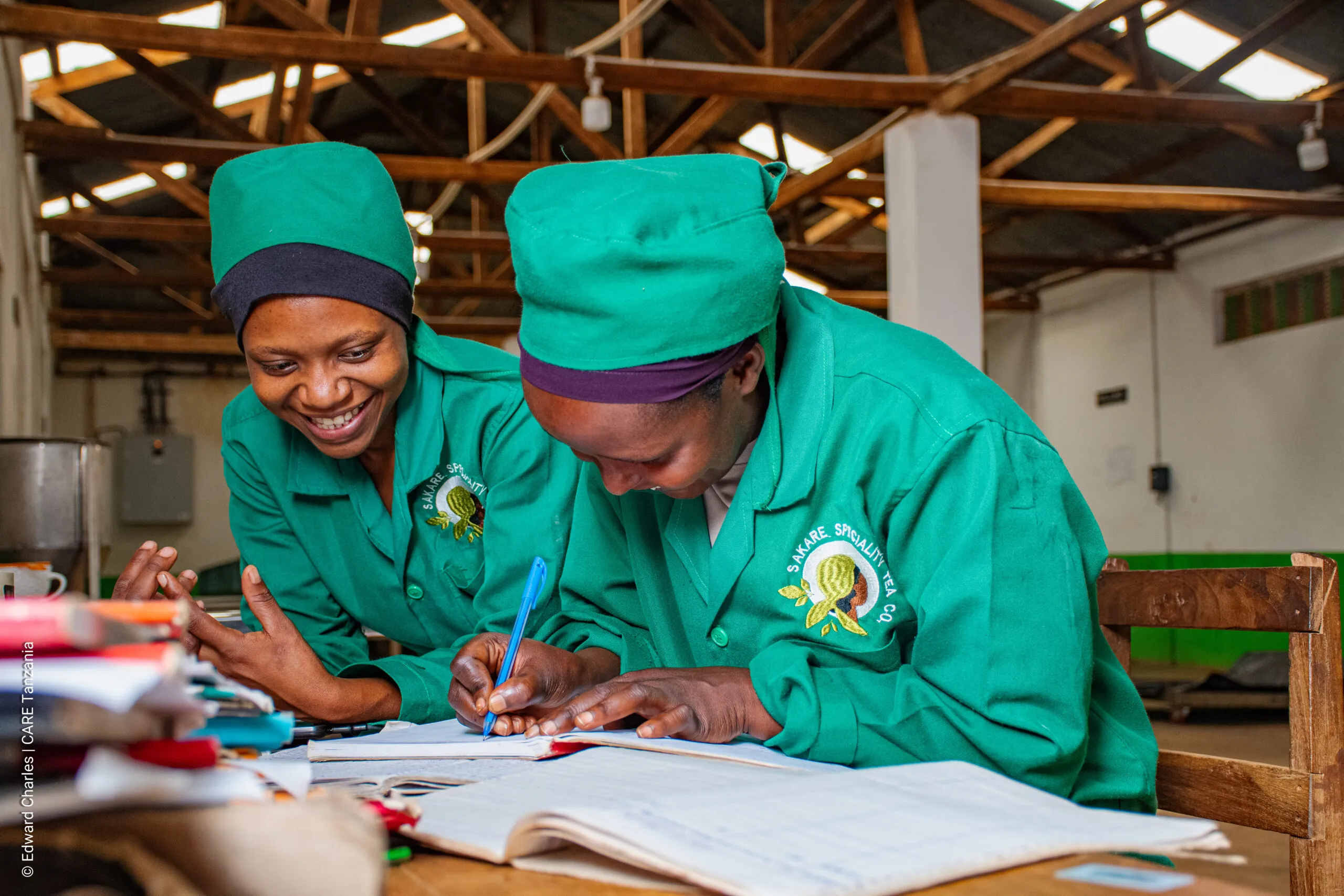
Through the establishment of Tanzania’s first specialty tea factory, CARE’s Her Money, Her Life Project is empowering women tea farmers in Bungu to bridge economic and social divides. The women featured in this story, Hobokeza, Sauda, and Latifa, are gaining financial independence and overcoming social barriers by embracing roles from organic farming to tea processing, setting a precedent women economic empowerment in the communities.

Read More

Success Story: Private Sector Partnerships for Women’s Economic Independence:

Through CARE’s Her Money, Her Life Project and partnerships with Viridium and Kazi Yetu, Sarah Ruben, a spice farmer from Tanzania’s Usambara mountains, gained the tools and market access needed to overcome barriers like unstable markets and low yields. Now, as a thriving entrepreneur and community leader, Sarah supports her family, employs other women, and champion for advocating Inequality faced by women and girls

Read More

Report: Her Money, Her Life

This impact brief outlines how the project uses VSLAs as a platform to support women in improving their income, leading change in their communities, and challenging traditional roles in the tea value chain.

Read More

Report: Women Respond: Savings Groups – Her Money, Her Life project (Tanzania)

Women Respond aims to improve interventions to shocks and crises at all levels by putting women’s voices and experiences at the center of the response. The initiative provides unique insights into women’s experiences leading responses through crisis, the evolving challenges they face, and the support they advocate for from leaders at local and global levels.

Read More

Success Story: You need to have a clear vision and persevere

“You need to have a clear vision and persevere.” This is the advice that the six members of the Nitunze Spice Group, led by Sarah Ruben, say they would give to other women entrepreneurs. The group is young, having just formed in 2024, but its members already have important business lessons to share, ranging from the inspirational (“You need to have a clear vision”) to the practical (“Make sure you have the right training”) to the cautionary (“Don’t sell your product on credit!”).

Read More

Success Story: Solidarity is everything

This is how Christina Kayala, a spice farmer from Lutindi, a tea growing area in northeastern Tanzania, summarizes the role that her group spice processing enterprise has played in her own life and livelihood. “We’re able to do this whole business because we are together.”

Read More

Project's News