Beyond the Demonstration Plot: How Bariki is putting Climate-Smart Agriculture into practice.

By Wendyline Malawa and Lucas Manda October 12, 2026

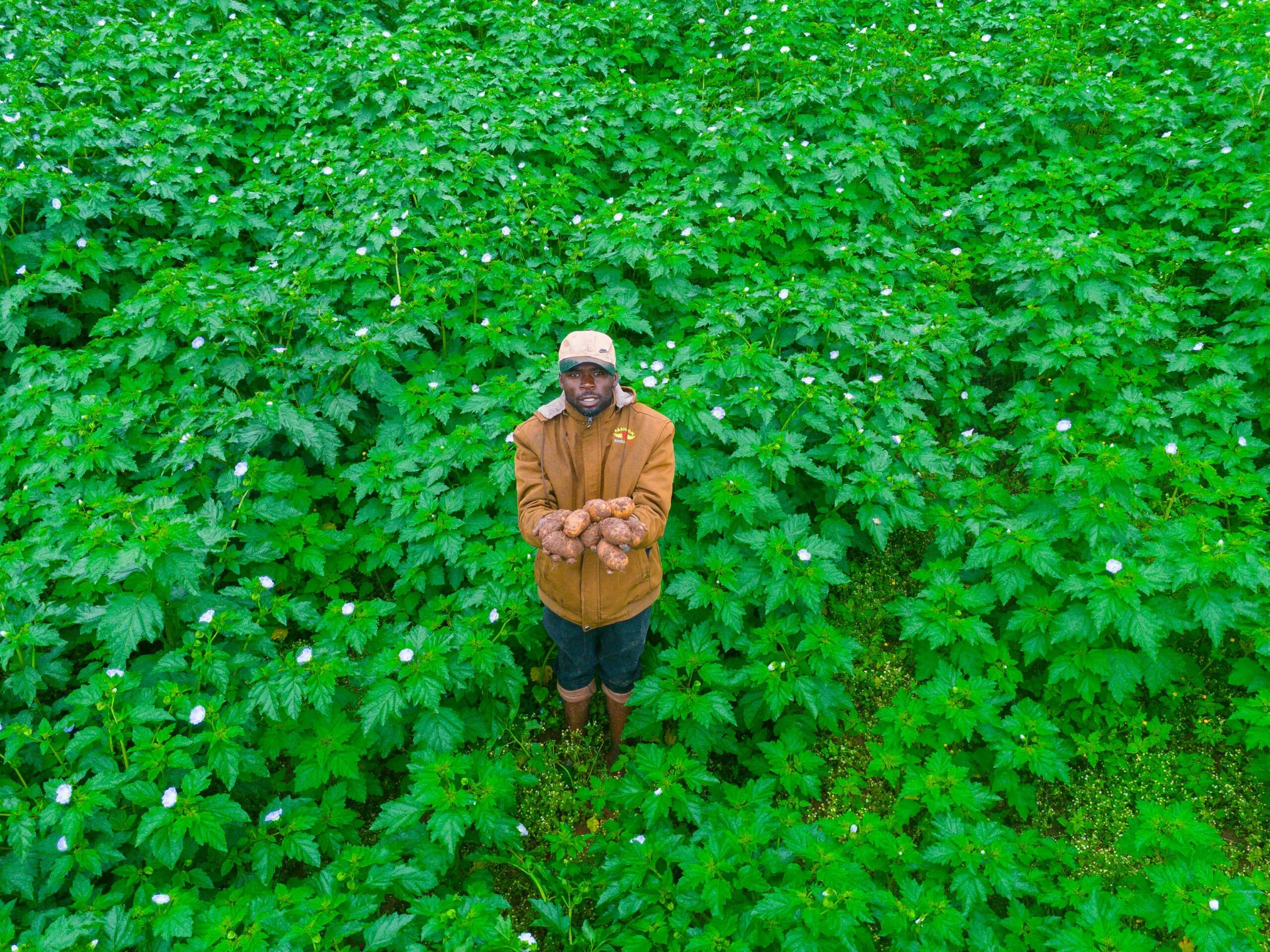
Bariki Kagine standing in his potato farm in Kihesa Mgagao Village, where he applied Climate-Smart Agriculture (CSA) practices learned through the HROP-supported FFBS demonstration plot, contributing to improved crop

Before adopting new farming practices, Bariki Kagine relied on conventional methods on his potato farm in southern Tanzania. Potato farming is a vital source of income for many smallholder farmers in southern Tanzania’s highland areas, including in Kihesa Mgagao Village where Bariki lives.  

Despite investing in seeds, labor, and other inputs, his harvests often fell short of what he expected. While the harvest covered his production costs, yields were not high enough to make the farm as profitable as he wanted.  

He knew he needed to produce more to build a sustainable farming business, generate extra income, and help support his family of five, including his wife and three kids. 
When I was using conventional farming methods on my potato farm, my harvest often remained lower than I expected, on average, I harvested around 70 bags per acre

said Bariki

Traditionally, many smallholder farmers in southern Tanzania have relied on conventional methods, planting without close attention to spacing, timing, or weather patterns, which often led to inconsistent yields. In recent years, unpredictable weather, from unseasonal hailstorms to shifting rainfall patterns, has made these old methods even less reliable.  

Everything changed when Bariki joined Farmer Field and Business School (FFBS) training through the CARE Tanzania’s Her Resilience, Our Planet (HROP) project. Each day, he walked to nearby demonstration plots where farmers learned, observed, and discussed new farming techniques.

Through the training, Bariki learned climate-smart farming practices such as proper spacing, timely planting, responsible fertiliser use, reduced soil disturbance, and pest management techniques. 

“What I learned through the training was different from the way I had been farming before,” Bariki explains. “I saw that these practices could improve the way I farmed, so I decided to try them for myself.” 

The training was eye-opening. However, rather than simply accepting the techniques he had learned through the FFBS training, Bariki wanted to see whether the practices would work under his own conditions. Having previously grown Kidinya potato variety, he decided to plant SAGITTA, which is an improved variety, has a higher yield and meets market demand.  

The season was far from easy. Unexpected hailstorms damaged part of the crop, affecting production at a critical stage of growth. Bariki also faced another challenge during planting. Although he had hired labourers to help establish the crop, the recommended spacing guidelines were not followed, which affected the farm’s overall performance. 

Despite these setbacks, Bariki saw the season as an important learning opportunity.

Smallholder farmers are on the frontlines of the climate crisis, yet they are also leading the way in developing solutions,"

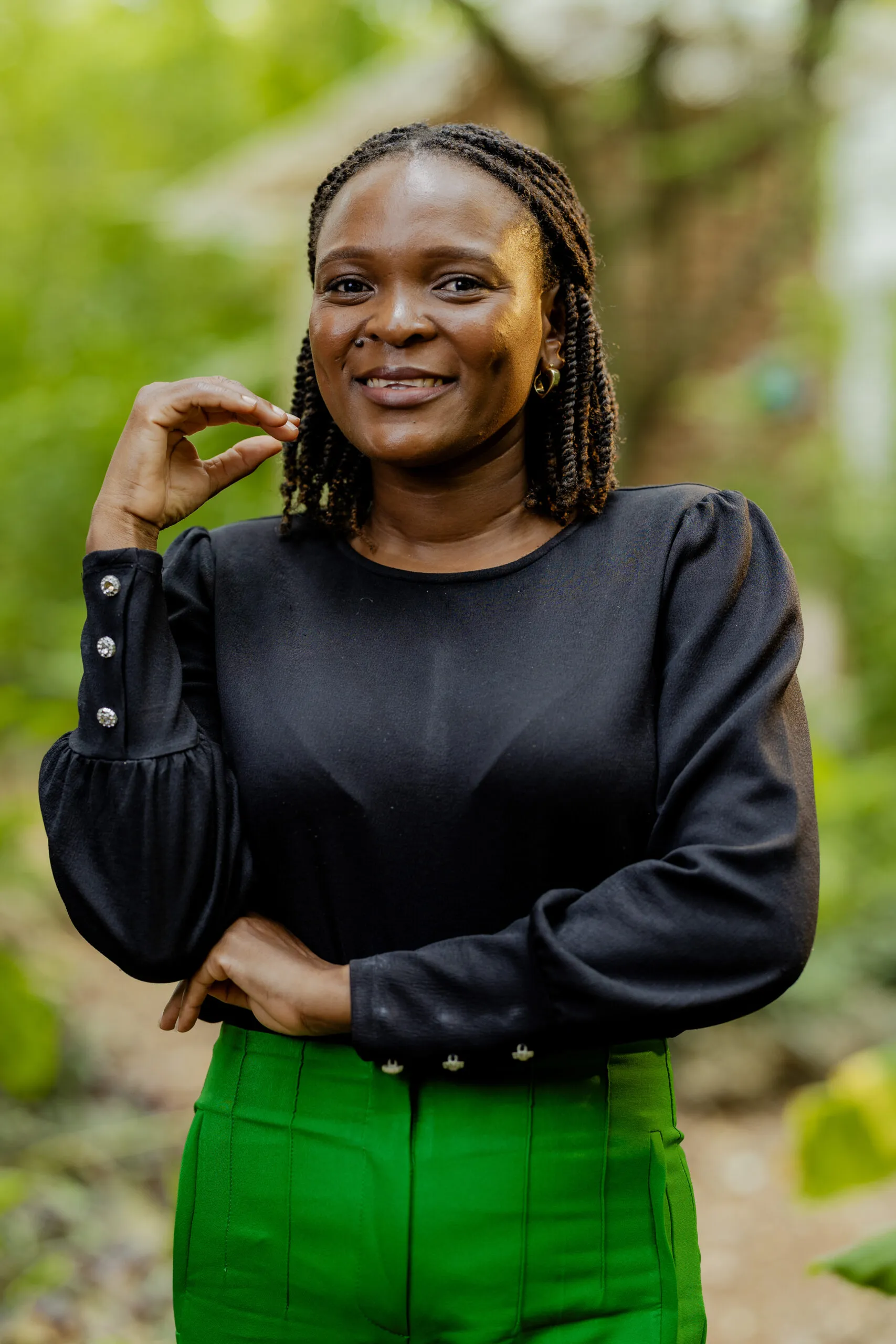
says Prudence Masako,

She adds, “When farmers have access to practical training, opportunities to test new approaches, and support from their communities, they are better equipped to adapt to changing weather patterns, strengthen their livelihoods, and build a more resilient future for their families.” 

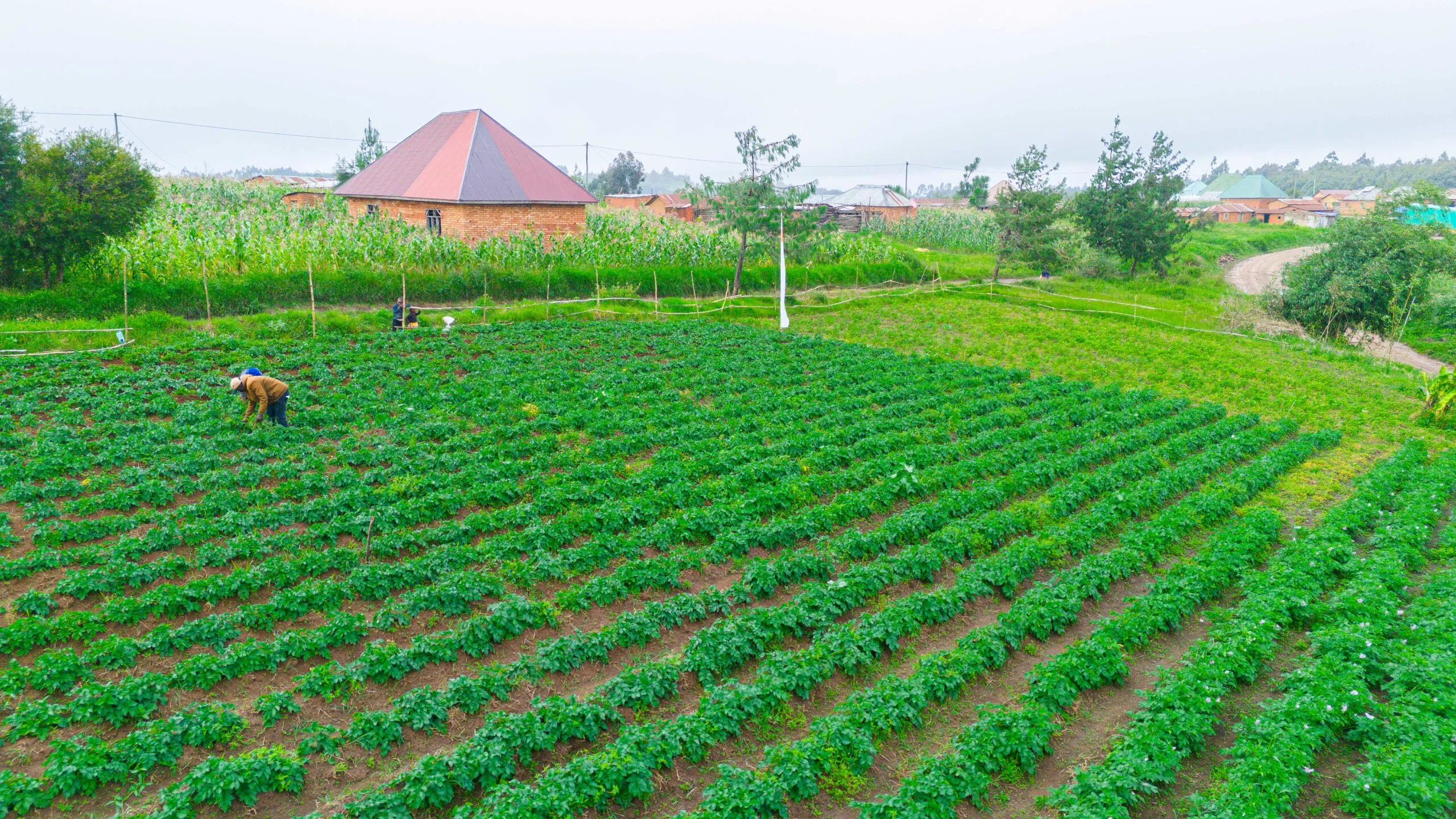
Bariki Kagine attending the Farmer Field and Business School (FFBS) demonstration plot in Kihesa Mgagao Village, a practical learning space supported through the HROP project to strengthen farmers’ knowledge and adoption of Climate-Smart Agriculture practices.

Rather than becoming discouraged, Bariki used the experience to reflect on what worked and what could be improved. “I have learned that challenges are a normal part of farming,” he says. “Weather conditions can affect any crop. What I will do differently next time is supervise the work more closely to make sure the recommended practices are followed.”

Rather than discouraging him, the experience strengthened his confidence. He saw enough evidence to believe that the practices could help improve productivity if applied correctly and under better conditions. 

“I am satisfied with the results despite the challenges,” says Bariki. 

For Bariki, the most important outcome was not the number of bags harvested. It was the knowledge and confidence he gained by testing new approaches and learning from both successes and challenges. 

Next season, I will continue using these practices and plant the SAGITTA variety again. I have already prepared a larger farm because I want to expand.

Says Bariki

Today, Bariki is sharing those lessons with others. As a Lead Farmer and Community-Based Trainer, he uses his own potato plot as a practical demonstration site where fellow farmers can observe improved farming practices and learn from his experience, including the challenges he faced. Looking ahead, he plans to continue growing SAGITTA potatoes on a larger area, applying the lessons from his first season while supporting other farmers to adopt climate-smart practices and build resilience to changing weather conditions. 

His farm has become more than a source of livelihood. It is now a practical learning space where others can see firsthand what is possible when farmers are equipped with knowledge, supported to experiment, and empowered to make informed decisions about their future.

“When farmers see the results for themselves, they begin to believe that change is possible. That is what happened to me, and now I want others to learn from my experience,” says Bariki.

Back to Top