
Projects Achievements and Impact

Scale Up Farmers Field and Business School project

Scale Up Farmers Field and Business School project

The Scale-Up Farmer Field and Business School (SU-FFBS) Project delivered a substantial set of achievements that strengthened agricultural, enhanced, and supported community-level transformation

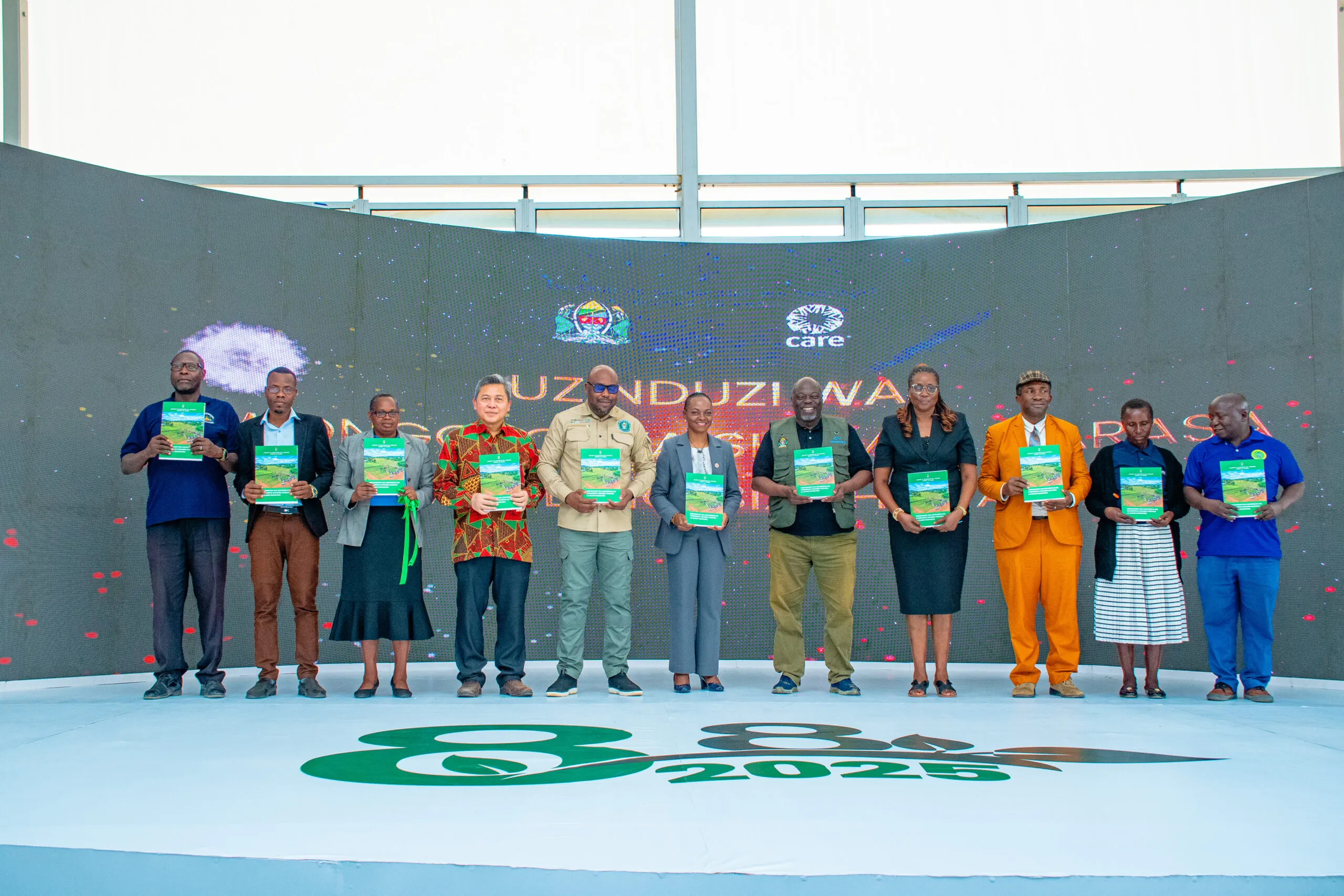
FFBS Guideline Launch

Official launch of the National Farm Field and Business School Guidelines on August 2nd, 2025, at Nzuguni Grounds, Dodoma, Tanzania.

Watch Now

Institutionalization of the FFBS Model at National and Academic Levels

The Scale-Up FFBS Project has secured long-term sustainability by embedding the FFBS approach into Tanzania’s national agricultural and academic systems. Its adoption into the National Agriculture Extension Guidelines positions FFBS as a standardized approach for more than 7,000 extension officers supporting roughly 12 million smallholder farmers.

This policy-level integration was strengthened through Sokoine University of Agriculture (SUA), where FFBS was incorporated into five undergraduate programs and delivered to 313 students through a Training of Trainers program, with 174 female students (56%) and 139 male students (44%) participating. SUA’s establishment of an FFBS demonstration plot further enables practical learning for future extension professionals.

In addition, 14 Ministry of Agriculture Training Institutes aligned their curricula with FFBS principles, guaranteeing that FFBS will remain central to agricultural education and training across Tanzania.
Promotion of Climate-Resilient Agriculture Through Demonstration Plots

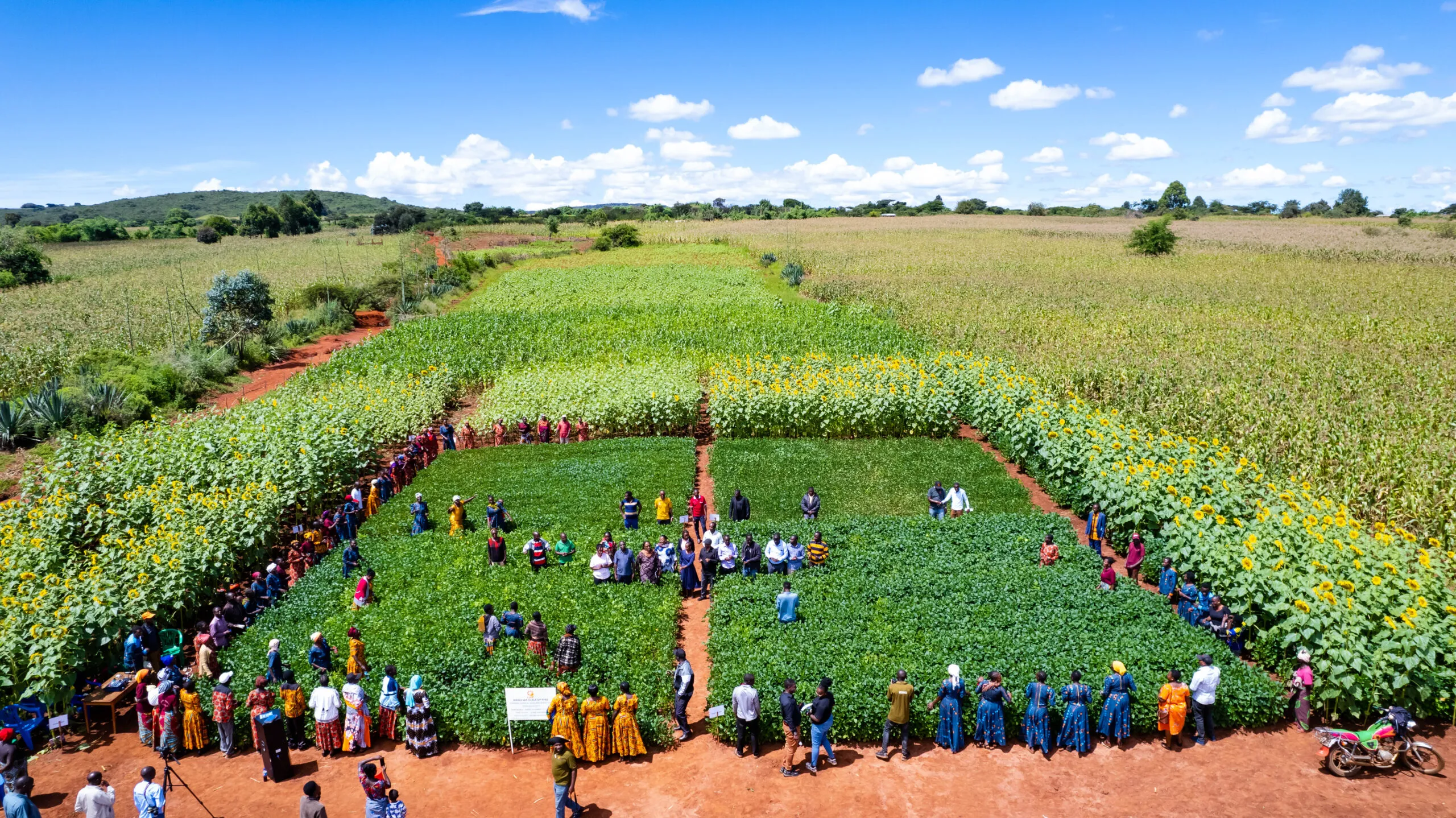
Demonstration plots remained the project’s most effective platform for hands-on agricultural learning. A total of 308 plots showcased improved seed varieties, soil conservation, compost production, crop rotation, and other climate-smart techniques. Adoption of these practices among FFBS members rose rapidly, with more than half of trained farmers implementing at least three improved agronomic practices on their own farms. Compost-making spread widely, as 2,154 farmers prepared and applied compost manure, while 645 compost pits were established to ensure ongoing organic fertilizer
13production.

These improvements led to measurable productivity gains, including a 20.1% increase in soybean yields, rising from 279 kg to 353 kg per acre among participating farmers.