Bouncing Back with Feathers and Faith: Mary Samweli’s Journey

By Edward Charles October 7, 2026

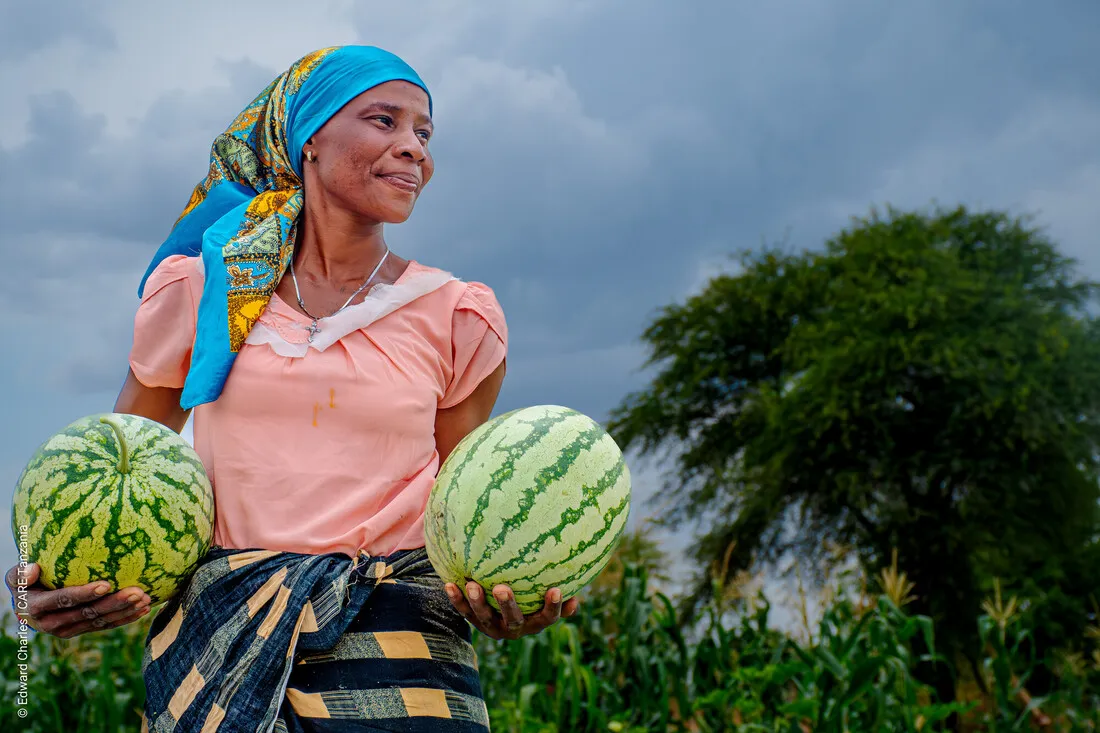
Mary Samwel, a project participant in the Enhancing Livelihood Resilience along the Sisal Value Chain project, holding two watermelons harvested from her farm in Kishapu Village, Shinyanga – Tanzania.

Mary Samweli is known in Mihama village, Shinyanga, as Mama Kuku—a mother of three boys, a successful poultry farmer, and a passionate community-based trainer (CBT). But her journey to becoming a village icon was far from easy.

Since 2017, Mary immersed herself in various entrepreneurship trainings in search of something that could bring steady income to her family. She learned to grow green peppers and tomatoes under greenhouse conditions and soon began sharing this knowledge. She founded Vijana Amka na Maendeleo, a youth group that built energy-efficient stoves. Her ability to inspire others led to the formation of several other groups and earned local recognition.

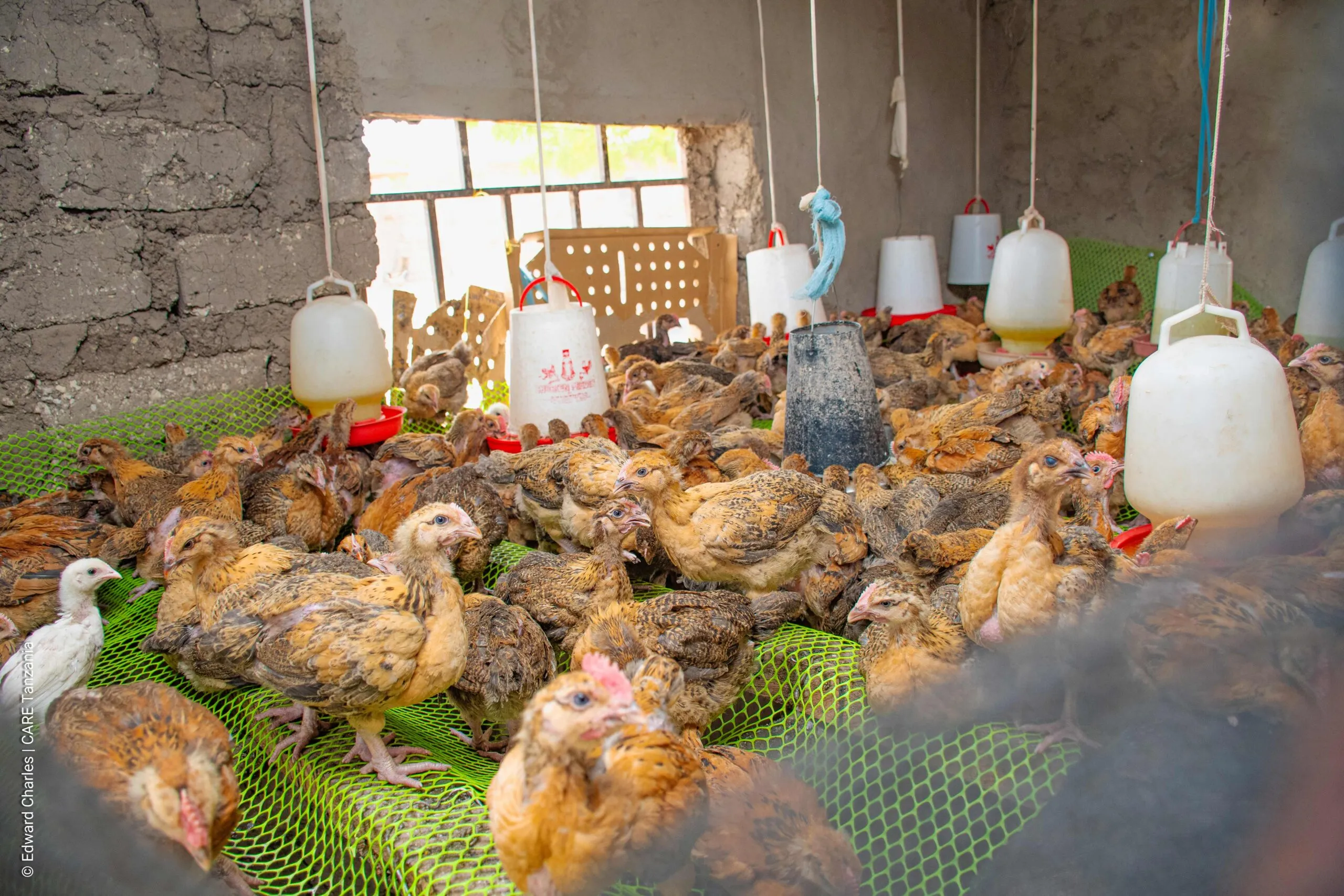
Mary’s entry into poultry was almost accidental. One day, while selling hot peppers at the Kishapu market, she noticed a woman holding an unusually large chicken. Curious, she asked where it came from. That moment changed her life.
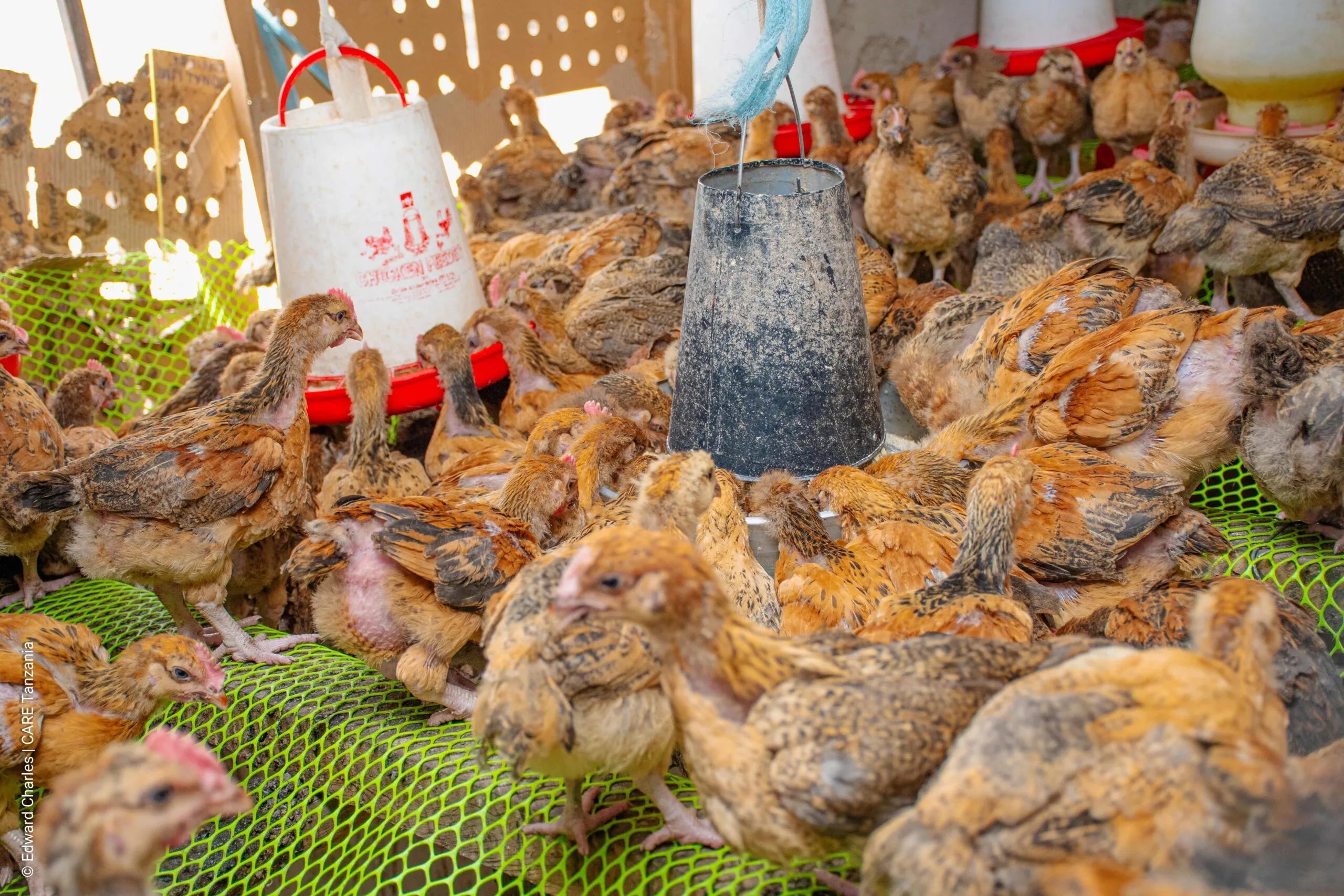
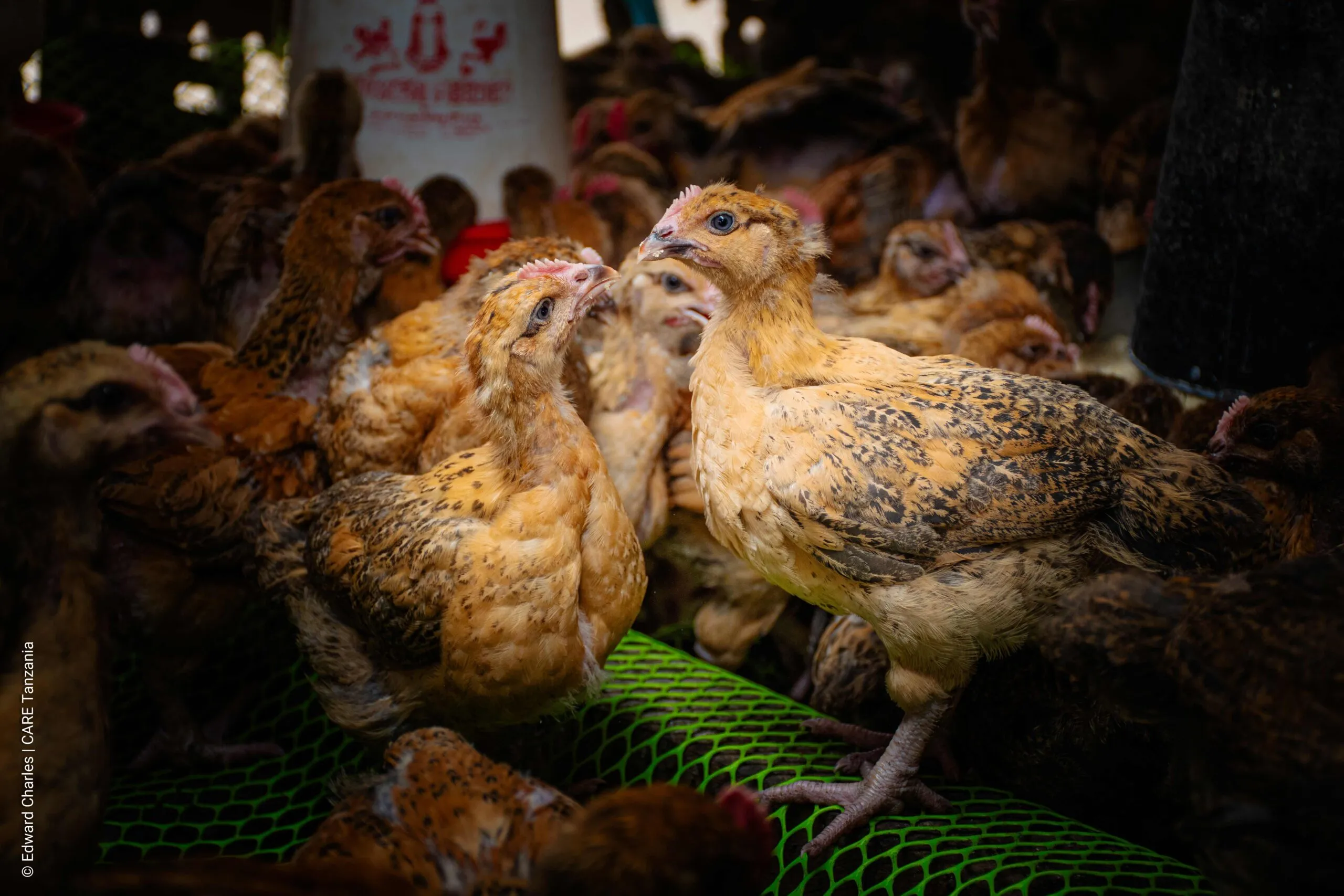
I saw an opportunity. I was shocked to learn that chicks cost only TZS 1,500 (US$ 0.6) and grow into full-sized chickens in just two to three months and sell for up to 15,000 TZS.”

Says Mary

Determined, Mary approached REDESO for support who connected her to trainings, seasoned poultry farmers, and provided starter feed and vaccines. In 2024, she bought three hundred (300) chicks for TZS 450,000 (US$ 167). Three months later, she had sold two hundred and seventy-three (273) chickens at premium prices.

Her business soared until everything crashed.

In early 2024, her husband took TZS four million (US$ 1484) of Mary’s earnings and another TZS Three million (US$ 1113) from their joint savings—then disappeared to Mwanza, where he lost all the money to gambling. Mary was devastated. “He never returned for a while. Later he came back after losing everything, but our marriage didn’t survive. I had to move back to my mother’s house with my children.”

But Mary refused to give up.

The Scale Up Livelihood Project supported her with four hundred (400) tomato seedlings. She grew and sold the tomatoes at TZS 700,000 (US$ 260), enough to buy another batch of three hundred (300) chicks in December 2024. By February 2025, she had sold two hundred and seventy-one (271) chickens and restocked with one hundred (100) more, all of which were already fully grown and in demand.

Despite being a poultry farmer, Mary also farms tomatoes, onions, cabbages, maize and watermelons, that bring in a good money which helps to support her three sons with food, clothing, and school expenses. She also helps her mother with household needs. “Looking back makes me both smile and ache,” she says. “I’ve bounced back so many times. But losing that TZS seven million (US$ 2597.85) still hurts. I could have grown much further.”

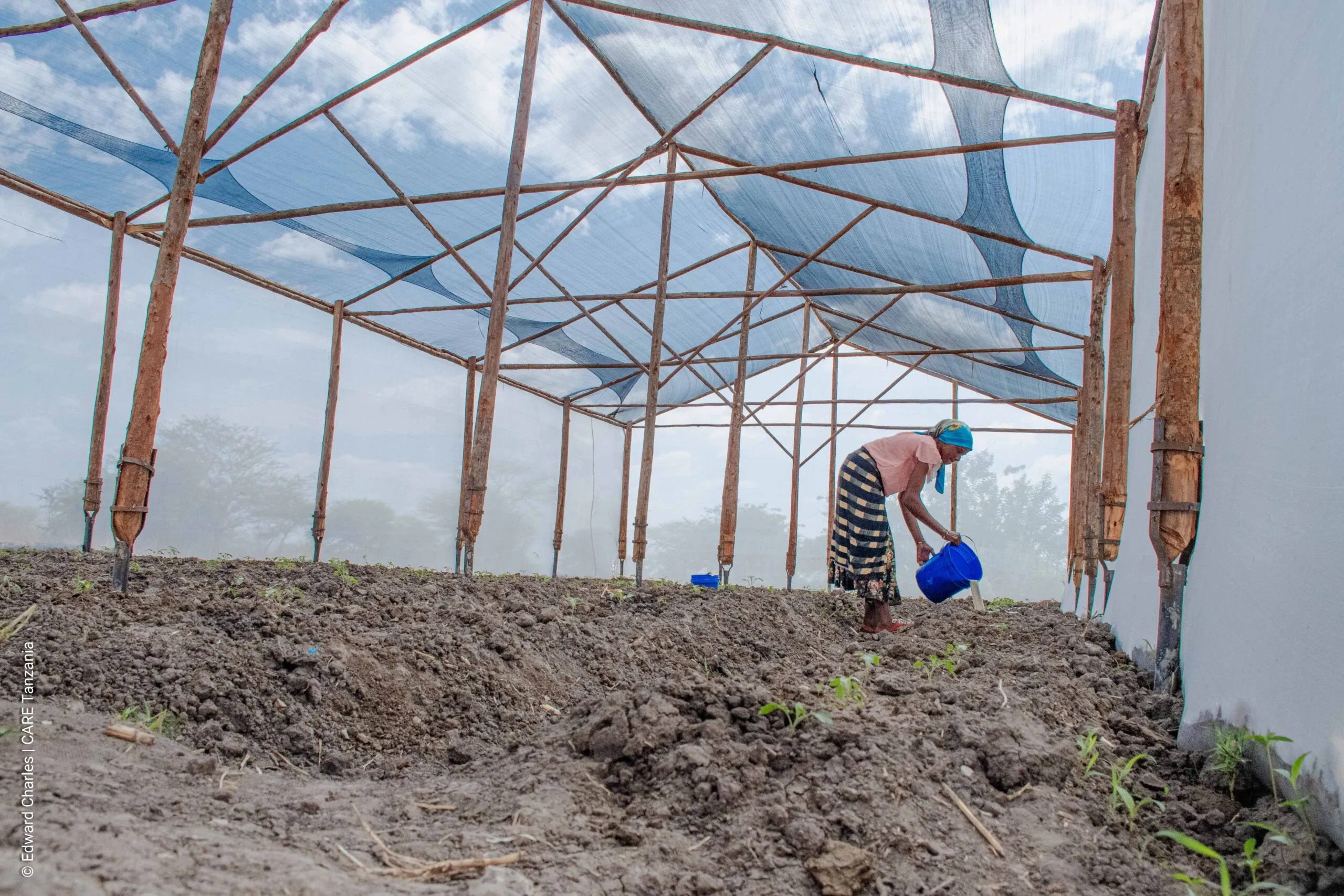
Mary inside a greenhouse watering her tomatoes. Photo: Edward Charles | CARE

Mary’s leadership continues. She now mentors eighteen (18) poultry farmers—ten (10) in Mihama and eight (8) in neighbouring villages like Lagana and Chanyawa. Her village has even become known as a “chicken marketplace,” and she’s entrusted with ordering chicks for her peers. As a poultry farmer she has attracted attention of organizations like World Vision in Tanzania who were inspired by her work and brought a poultry project in the village area.

I am very proud seeing the increase of poultry farmers. When we are large in number, it becomes easier to attract more buyers since the deficiency is less.”

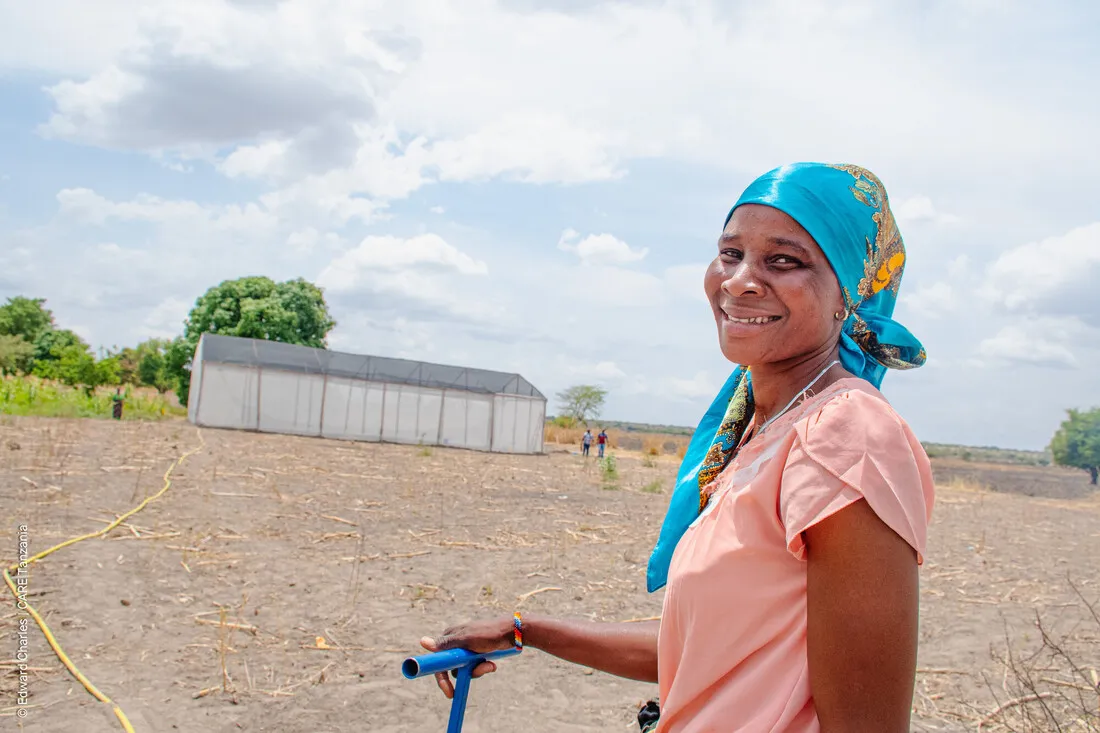
Still, challenges such as drought loom across the village. This has made Mary to shift into irrigation farming so that to produce crops throughout the year. Most farmers don’t produce during this period hence giving her an edge of selling her cabbages, watermelons, tomatoes and onions at a better price since she’s among the few producers during the dry season. The use of simple technologies such as money maker pumps helps her push water from the dug wells near the river.

Mary dreams of expanding her business into goat and cattle trading. “The future is still bright,” she says. “And I’m not done building.”

Back to Top