
Sisal Value Chain Project

Enhancing Livelihood Resilience along the Sisal Value Chain in Kishapu District, Shinyanga Region

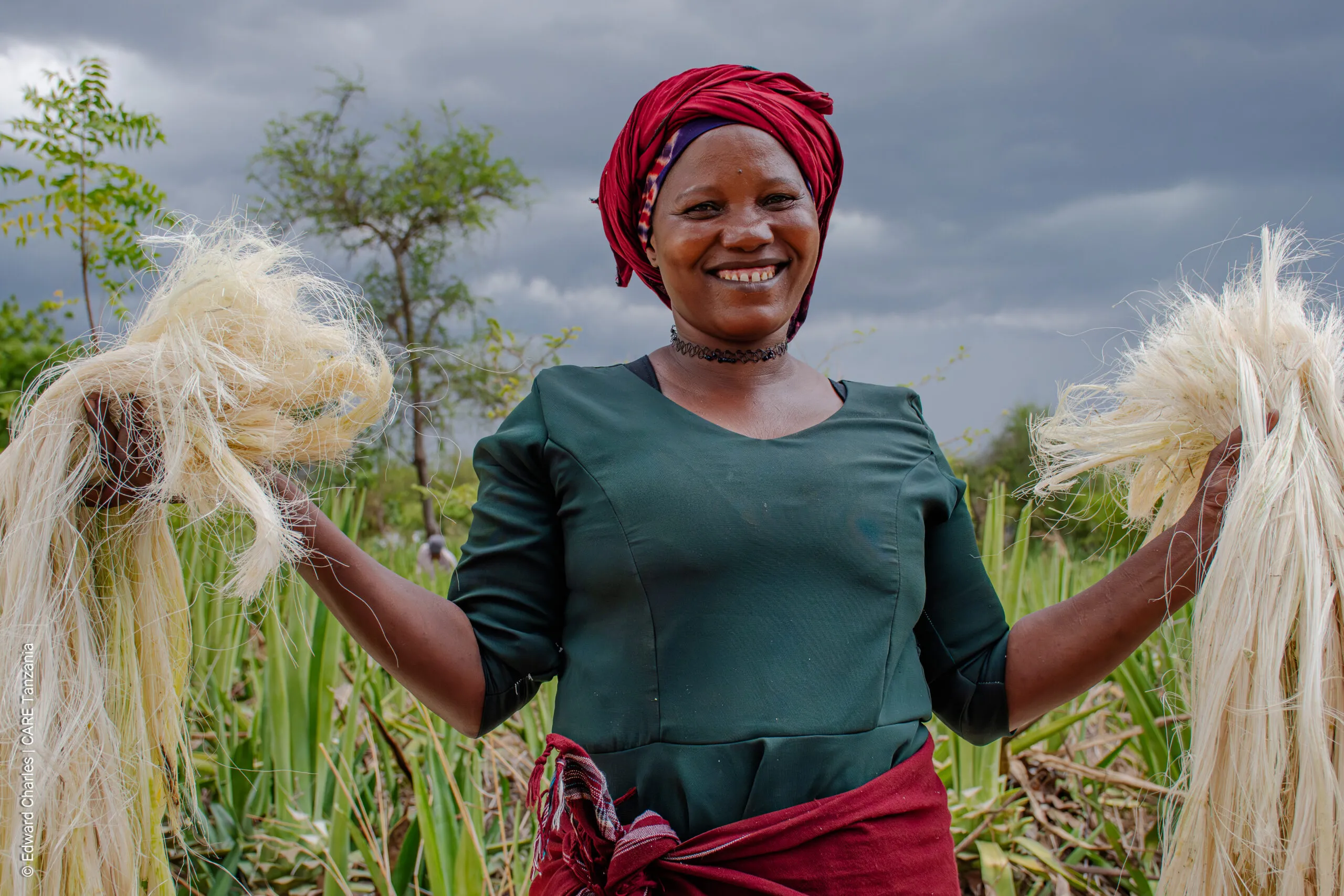
Juliana Ngasa a sisal processor in Kishapu, Tanzania smiling while holding sisal fibers on November 21, 2025. All Photos: Edward Charles | CARE Tanzania

CARE Tanzania and CARE International UK, in partnership with REDESO (Relief to Development Society) and support from Tanzania Fund Friends (UK) implemented the project "Enhancing Livelihood Resilience along the Sisal Value Chain in Kishapu District, Shinyanga Region." This initiative ran roughly from 2023 to 2025 (with scaling efforts continuing) to help smallholder farmers recover from COVID-19 disruptions and adapt to climate challenges like erratic rainfall, droughts, and high temperatures in this semi-arid area.

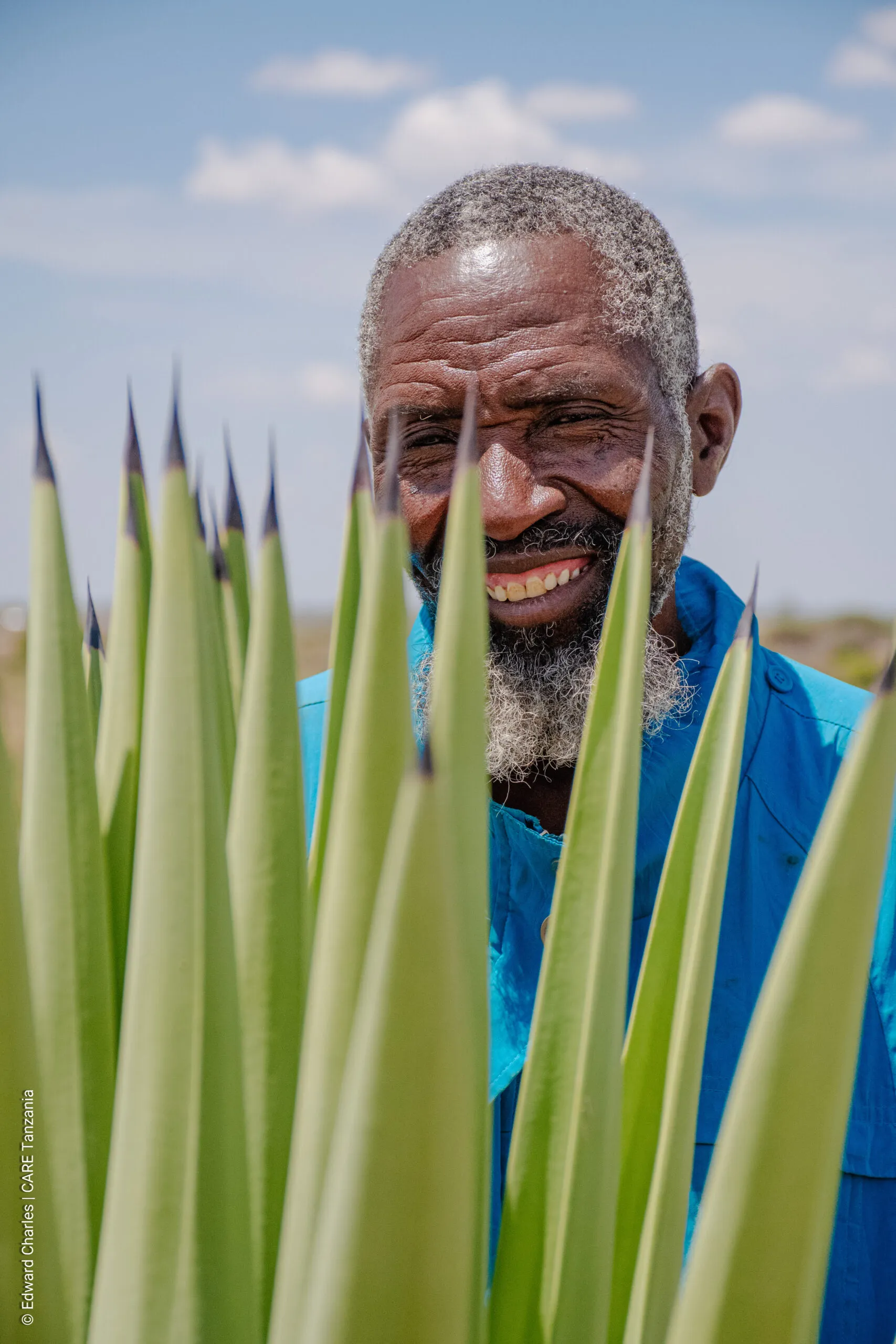
Nkinda Kurwa stands behind the long, stiff, sword-shaped leaves of sisal in the afternoon of 24 November 2025 in Isoso Village, Kishapu District, Shinyanga, Tanzania. Photo: Edward Charles | CARE Tanzania

Context and Challenges Addressed

Kishapu District relies heavily on agriculture, with sisal as a traditional, drought-resistant crop well-suited to the local climate (alongside limited cotton). Families have grown it for generations to demarcate plots and generate income. However:

  • COVID-19 impacts: Market disruptions reduced buyers, caused stockpiling (e.g., 15–20 tons stuck for months), income losses, and business shocks.
  • Climate variability: Unpredictable rains, droughts, and heat stressed single-crop reliance.

The project targeted vulnerable small-scale sisal farmers (initially aiming for ~1,200 beneficiaries, scaling toward 2,700 by late 2026), with a strong focus on women and youth.
Key Components of the Sisal Value Chain Strengthening

  • Improved Production Practices: Training on sisal planting, maintenance (e.g., weeding, removing thorns), farm rehabilitation for abandoned fields, and intercropping (e.g., with peanuts, sunflowers, or green gram) to boost productivity and soil health without harming sisal. Emphasis on using waste (chaff/pulp) for animal feed, compost, or even black soldier fly production for protein-rich feed.
  • Processing and Value Addition: Support for better extraction, processing techniques, and technologies to improve fiber quality and yields (noting that only ~4% of the plant is typically fiber). This included skills for local processing to reduce losses.
  • Market Access and Organization: Efforts to strengthen collective marketing, groups, and linkages to reduce dependency on erratic local buyers.
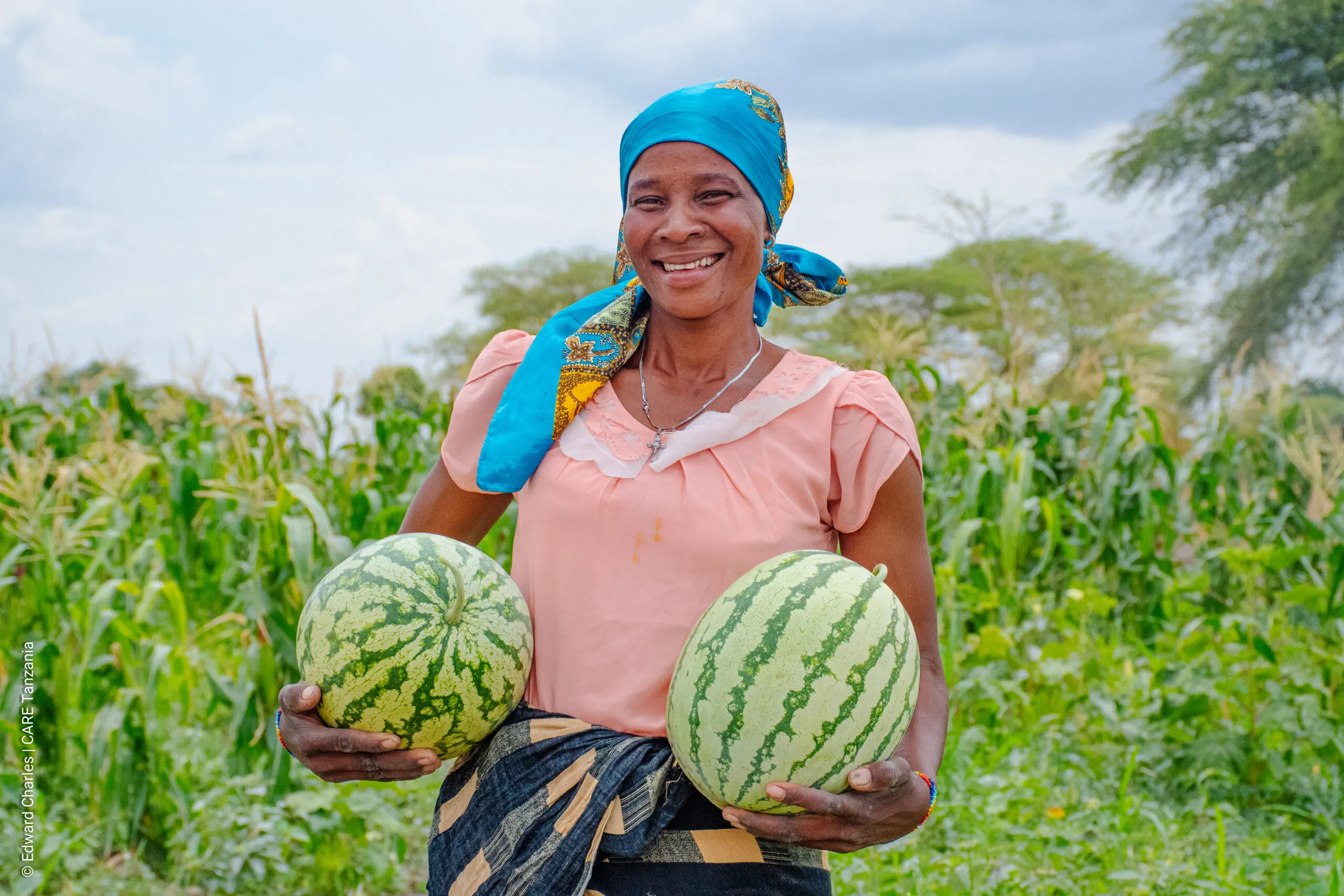
  • Diversification for Resilience: To avoid over-reliance on sisal, the project promoted complementary activities like poultry (e.g., improved chicken breeds for faster returns in 2 months) and horticulture (e.g., watermelons, greenhouses)
Photo: Edward Charles | CARE Tanzania

Outcomes and Farmer Stories

Sisal Value Chain in Kishapu Documentary

This documentary captures the voices, experiences, and resilience of the project participants.

Watch Now

Champions Beyond the Pitch

A Juliana Ngasa Story

Watch Now

Champions Beyond the Pitch

A Peter Magolyo Story

Watch Now