The Six Women Who Brought Spice Processing to Kwemashai

By Edward Charles July 20, 2026

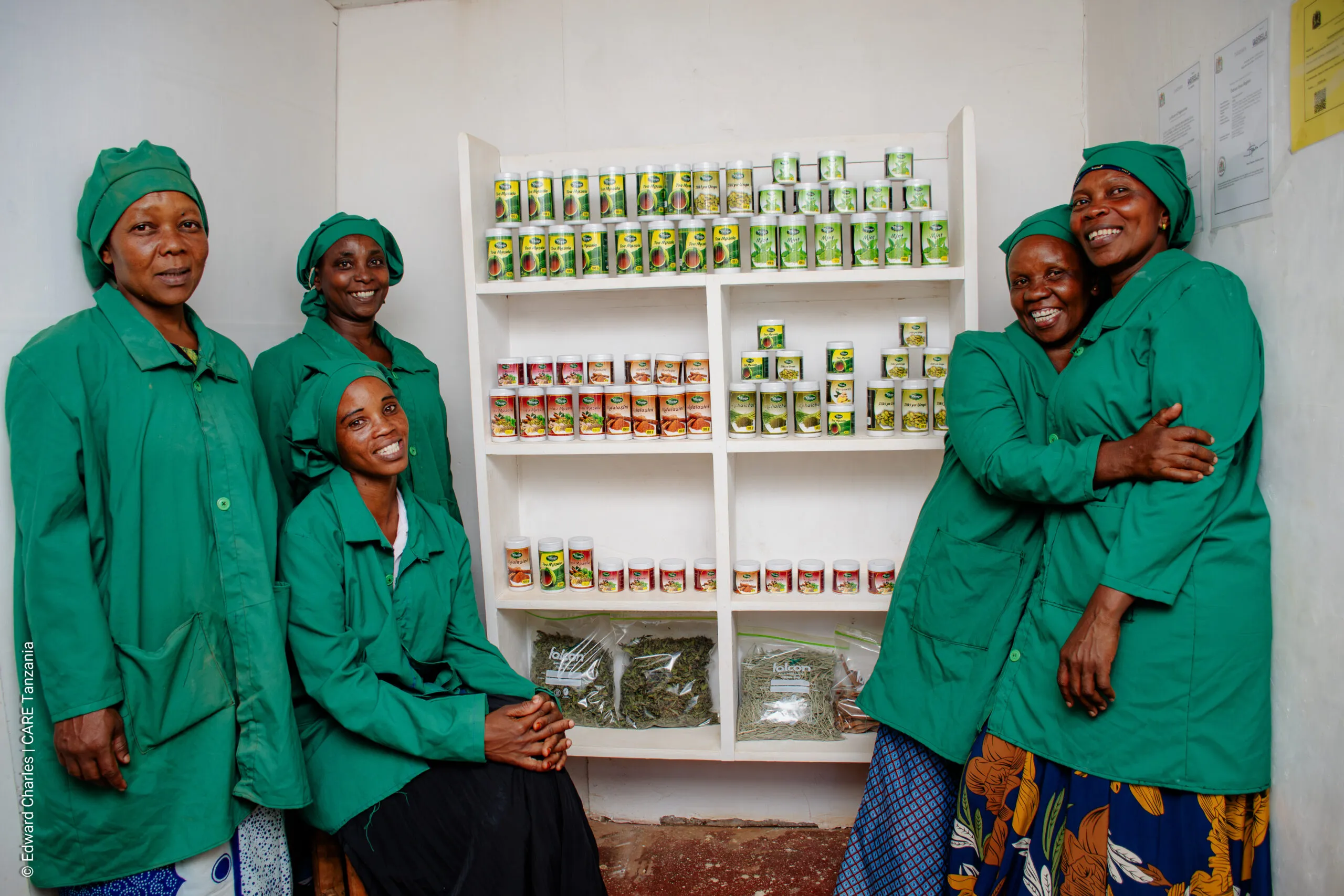
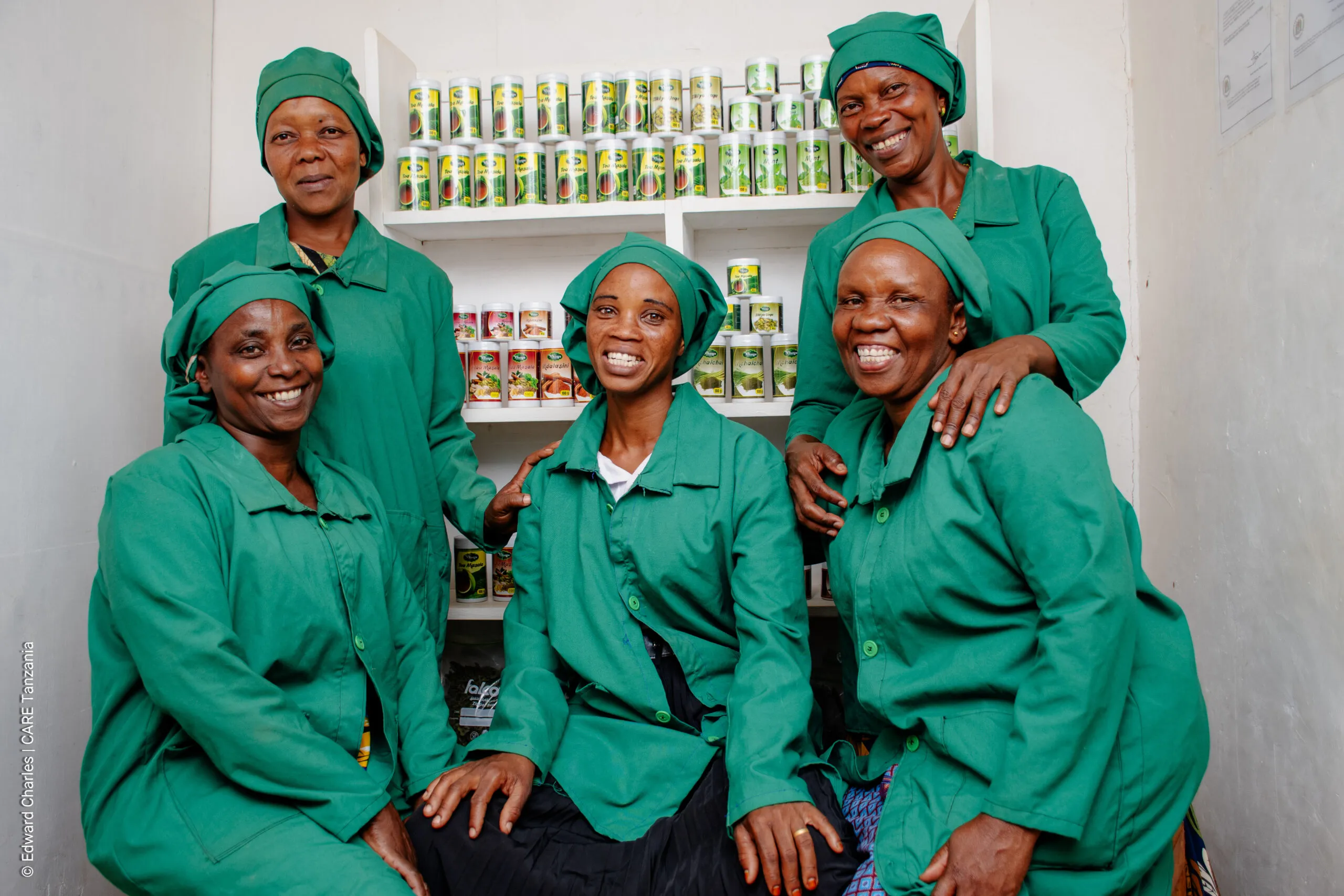
Five members of Nitunze Spice Members (From Left - Gelite Erasto, Sarah Reuben, Easter Eliya, Anna William, and Zahida Ali) in front of the group's product showcase. Photo: Edward Charles | CARE Tanzania. November 30 2025 Kwemashai T, Bumbuli, Tanzania.

What started as a simple dream shared by six women has become the first spice-processing business in Kwemashai T village. Despite limited capital, community skepticism, and little experience in food processing, the women behind Nitunze Spices transformed locally grown spices into a thriving enterprise. Today, their business serves regular customers, supports local farmers, and demonstrates how women-led enterprises can unlock economic opportunities for entire communities

Twice a week, a small, rented room in Kwemashai T village fills with the warm aroma of mint, cinnamon and lemongrass.

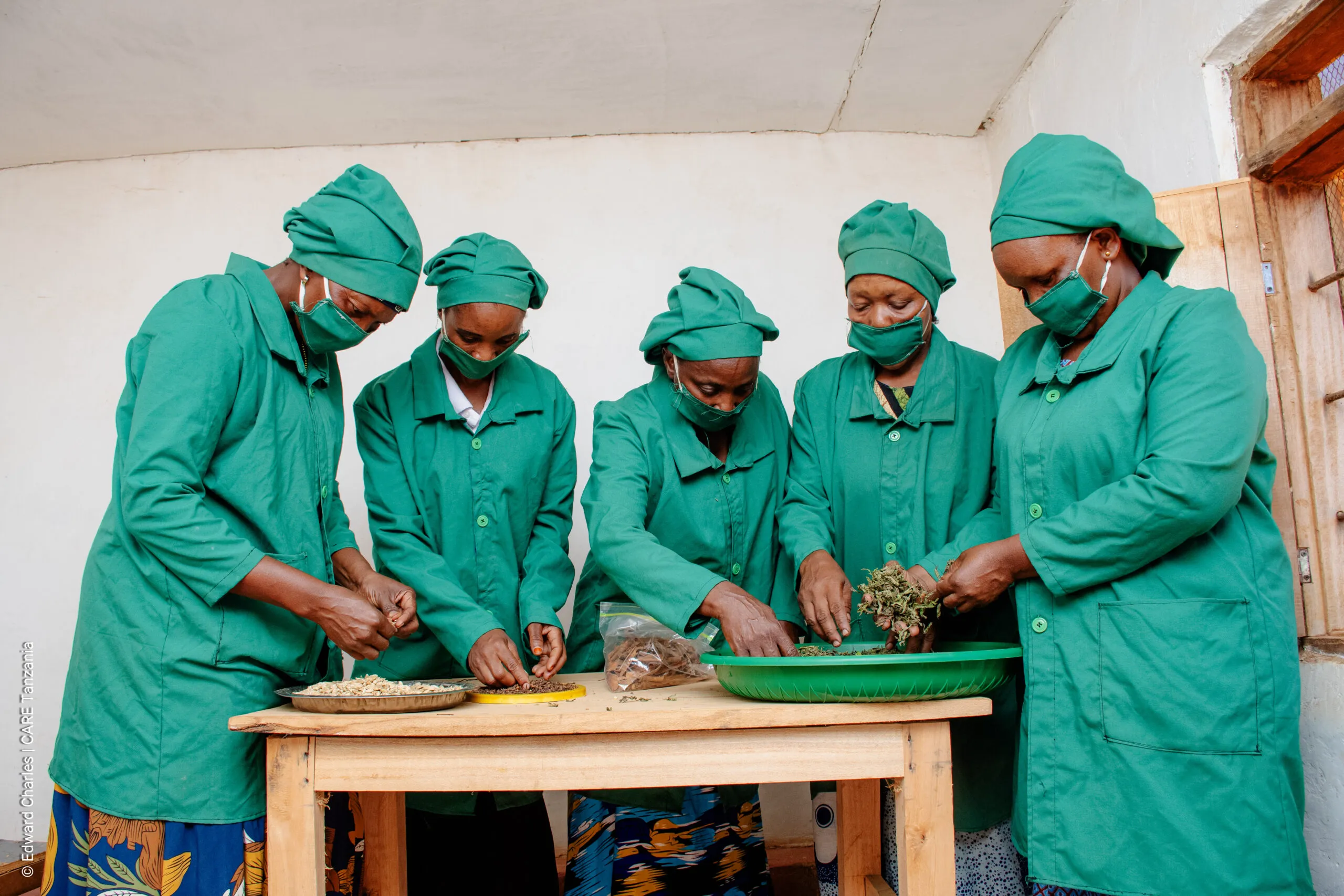
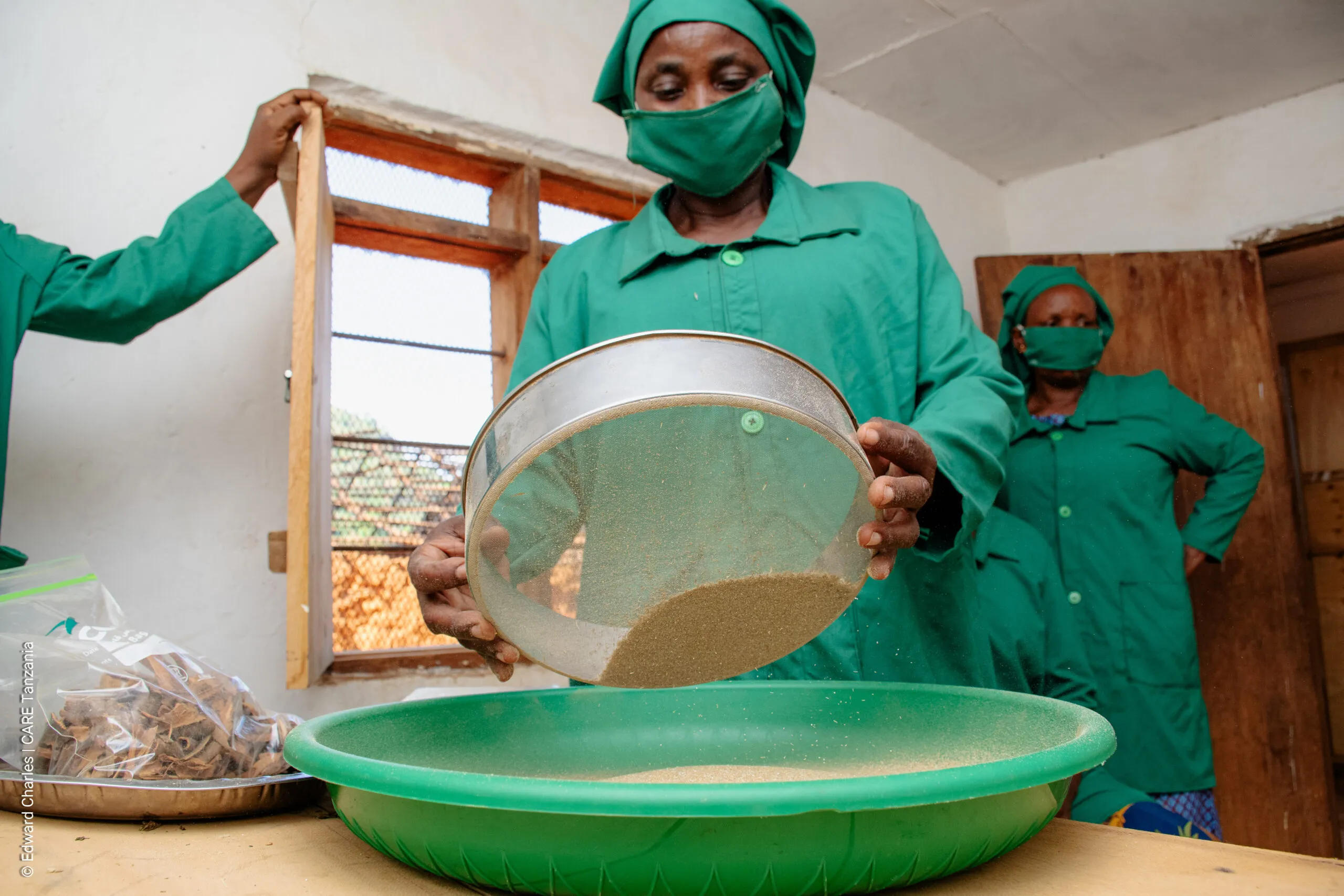
From ten o’clock in the morning until four in the afternoon, six women carefully weigh spices, feed them through a grinding machine, seal neatly labelled packages and prepare orders for customers. During busy weeks, when orders increase, the work continues for three or even four days. Inside this modest room, more than 60 kilograms of spices are processed every month, supplying around 50 regular customers across Kwemashai T and neighboring areas.

Today, Nitunze Spices is one of the best-known local spice brands in Kwemashai T and beyond.

But when the women first shared their idea, almost nobody believed it would succeed
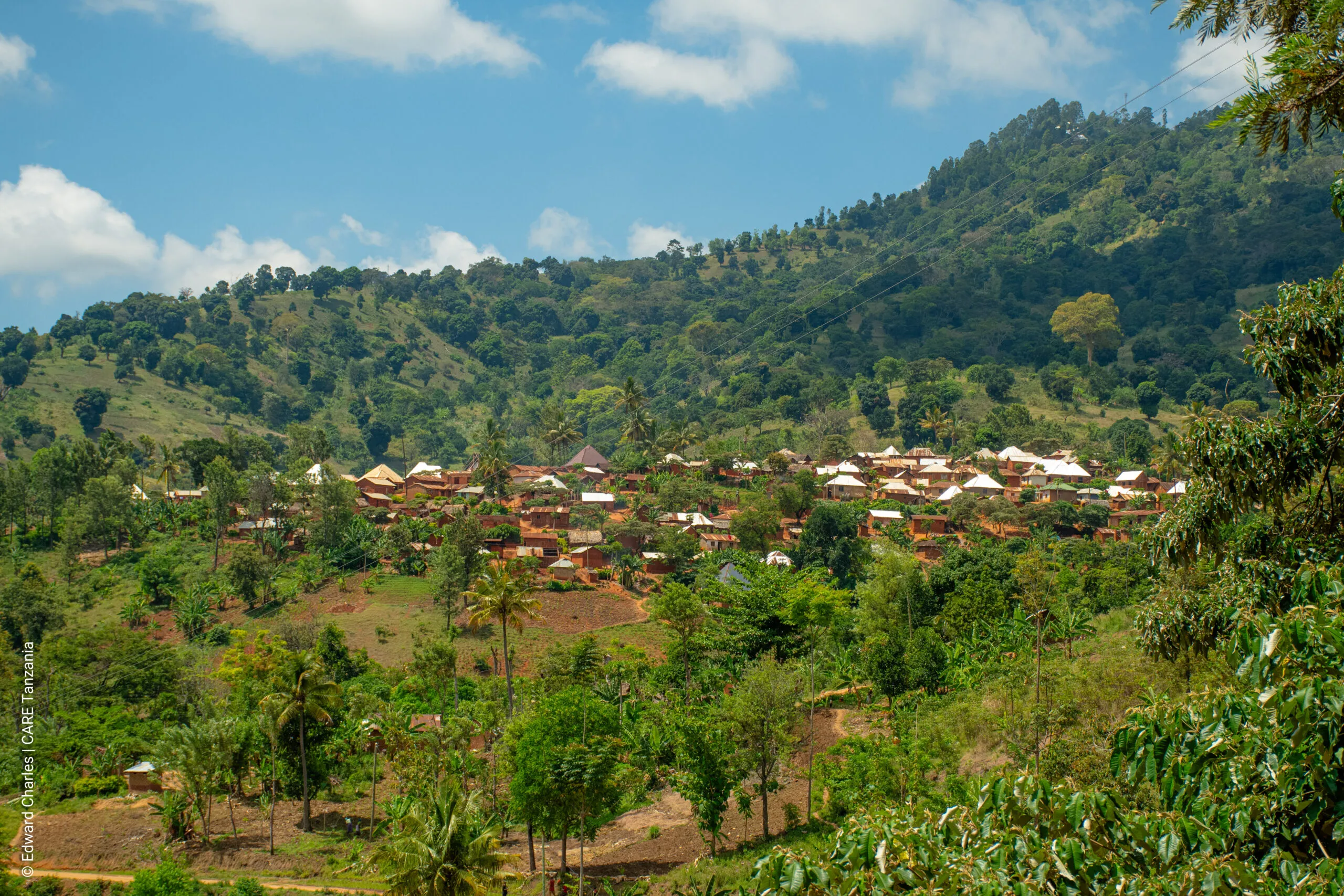
A landscape view of Kwemashai T village in Bumbuli, Tanzania on Saturday afternoon November 29th, 2025. Photo: Edward Charles | CARE Tanzania

Kwemashai T lies deep in the Usambara Mountains beneath the slopes of Kivugha Hill. The village takes its name from the mishai trees that once covered the landscape. Here, cardamom, cinnamon, ginger, black pepper and lemongrass have always grown well, yet they were mostly consumed at home or sold raw whenever buyers could be found.

No one had ever processed spices into finished products.

That changed on 16 July 2024, when six women—Sarah Reuben, Easter Eliya, Zahida Ali, Anna William, Gelite Erasto, and Mahija Omary—formed Nitunze Spices. Each belonged to a different Village Savings and Loan Association (VSLA) established through CARE Tanzania’s Her Money, Her Life Project.

The women shared a simple ambition: create a business that could generate income while adding value to the spices already growing in their community.

We believed our village had something valuable. We just needed to learn how to turn it into a business.

says Sarah Reuben

Members of Nitunze spices group sorting spices in their working room at Kwemashai T, Bumbuli on Sunday afternoon November 30th, 2025. Photo: Edward Charles | CARE Tanzania

Although the group had already been formed, they quickly realised that enthusiasm alone would not be enough. They lacked technical knowledge about food processing, packaging, hygiene and quality standards.

Recognizing this gap, CARE Tanzania supported five members of the group—Sarah, Easter, Anna, Zahida and Mahija—to attend a three-day training in Korogwe delivered by the Tanzania Bureau of Standards (TBS) and the Small Industries Development Organization (SIDO).

The training covered food safety, quality standards, business management and market requirements.

“It helped us understand how to produce quality products that customers could trust,” Sarah explains.

But confidence alone could not buy machinery. The women had little capital, and raising enough money to start production was one of their biggest challenges. Still, they refused to give up.

Using the business and marketing skills they had learned during training, they slowly began building the enterprise. Without a grinding machine, they relied on a traditional wooden mortar (kinu) to pound spices by hand before drying them on mats under the sun.

It was hard work. Everything took longer, but we kept working because we knew where we wanted to go

Easter recalls

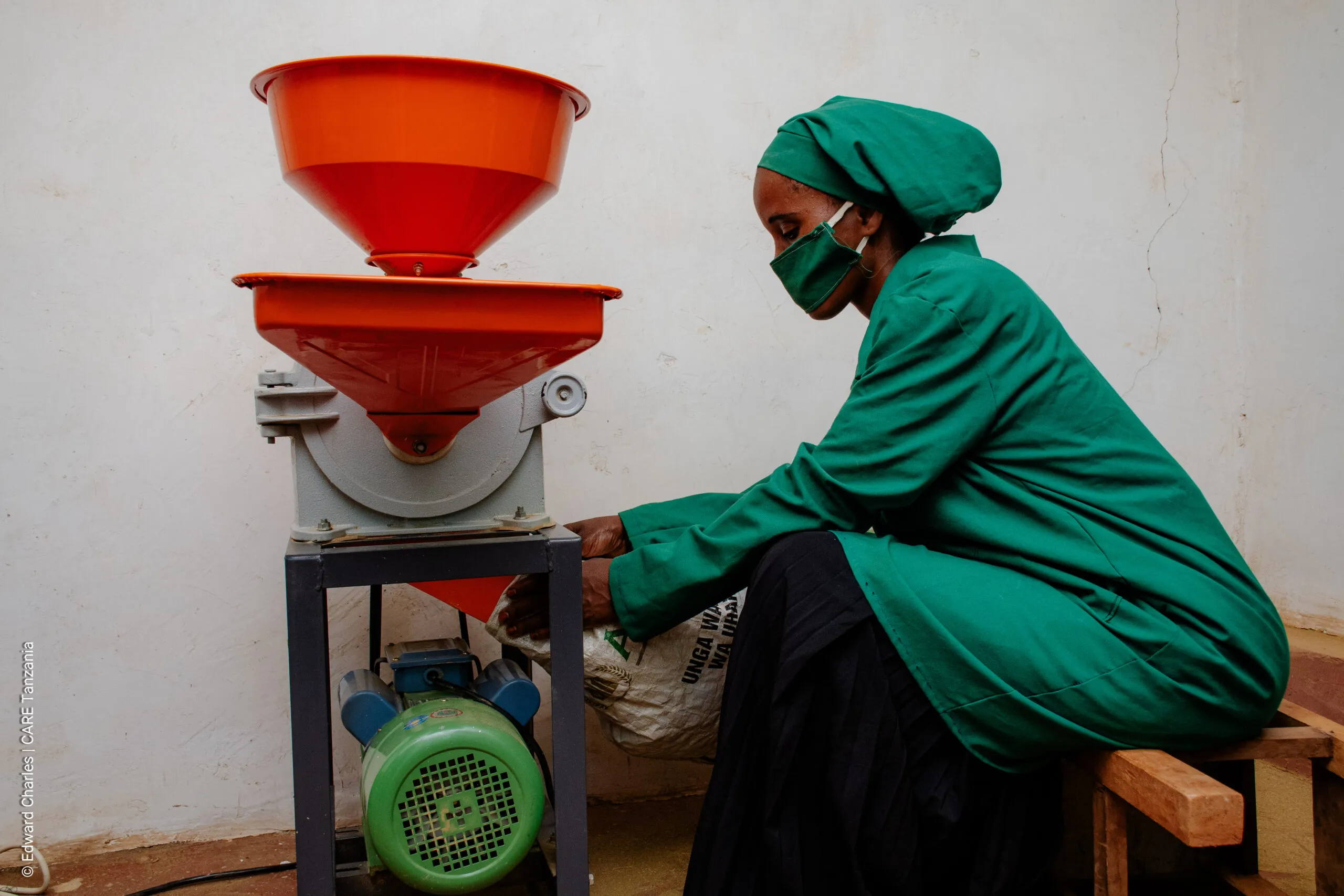
As the business continued to grow, CARE Tanzania provided the group with its first spice grinding machine, dramatically increasing production capacity. CARE also linked the women with SIDO, which supported them through the business registration process with the Business Registrations and Licensing Agency (BRELA). What could have been a difficult administrative process became much easier thanks to this partnership.

The organization also helped the group secure a rented three-room workspace.

One room serves as a changing room to maintain hygiene standards, another functions as a showroom and meeting space, while the third houses the processing machine where production takes place.

Nitunze Spices serves around 50 regular customers every month, generating up to TZS 300,000 (USD 114.24) in monthly income, depending on customer orders.

The business has also created a reliable market for local farmers.

"Cinnamon and cardamom were produced here, but farmers often struggled to find buyers. Now they have somewhere to sell their spices, and we create products with more value

Easter Eliya.

Today, 10 farmers regularly supply Nitunze Spices with cardamom, cinnamon, ginger, black pepper and other spices, creating new income opportunities throughout the community.

The first product the women introduced was Tea Masala—a fragrant blend of mint, lemongrass, cinnamon, ginger and black pepper.

It remains Zahida Ali’s favorite.

I love making Tea Masala. The smell is wonderful, and when I drink it, I feel refreshed

Zahida Ali

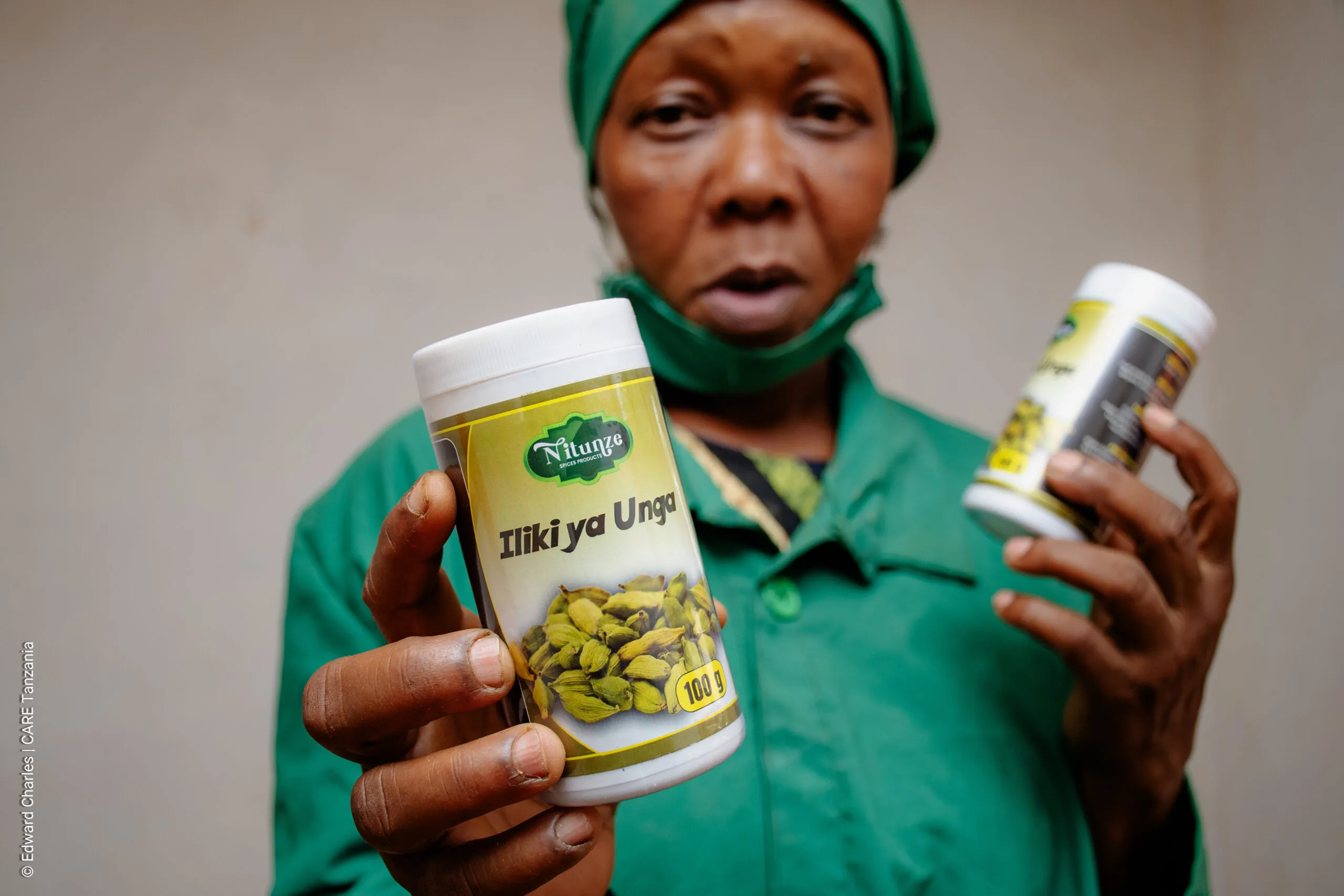
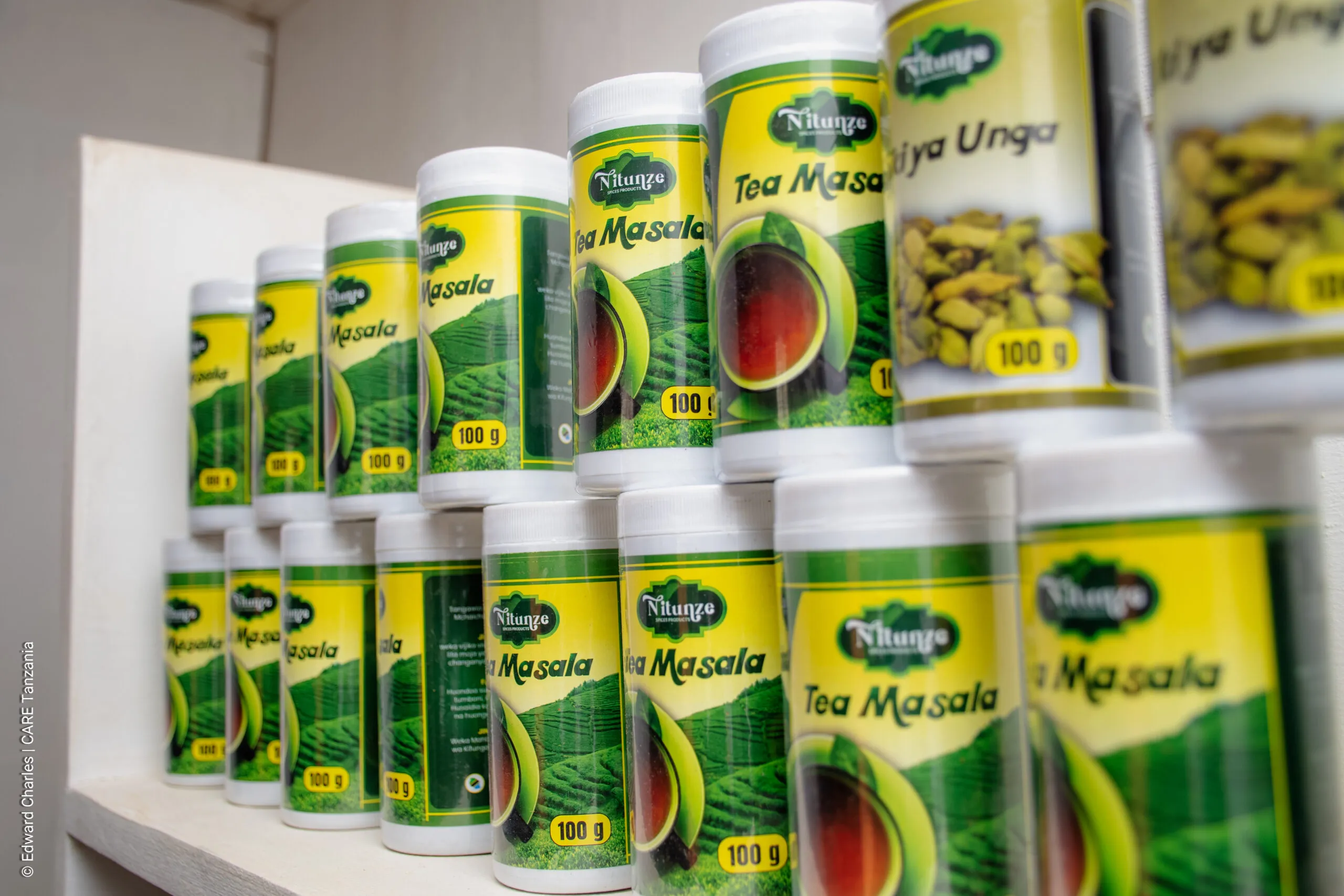
Nitunze Tea Masala spice on the showcase shelf. Photo: Edward Charles | CARE Tanzania. November 30, 2025

Now, the group also produces more products like Pilau Masala, grinded cinnamon, cardamom, ginger, black pepper and lemongrass, with products reaching customers across Bumbuli, Lushoto District and beyond.

The business has transformed the women just as much as it has transformed their village.

Every important decision is discussed collectively. The women meet in their showroom to review ideas, solve challenges and agree on the next steps together.

“My confidence has grown,” says Sarah.

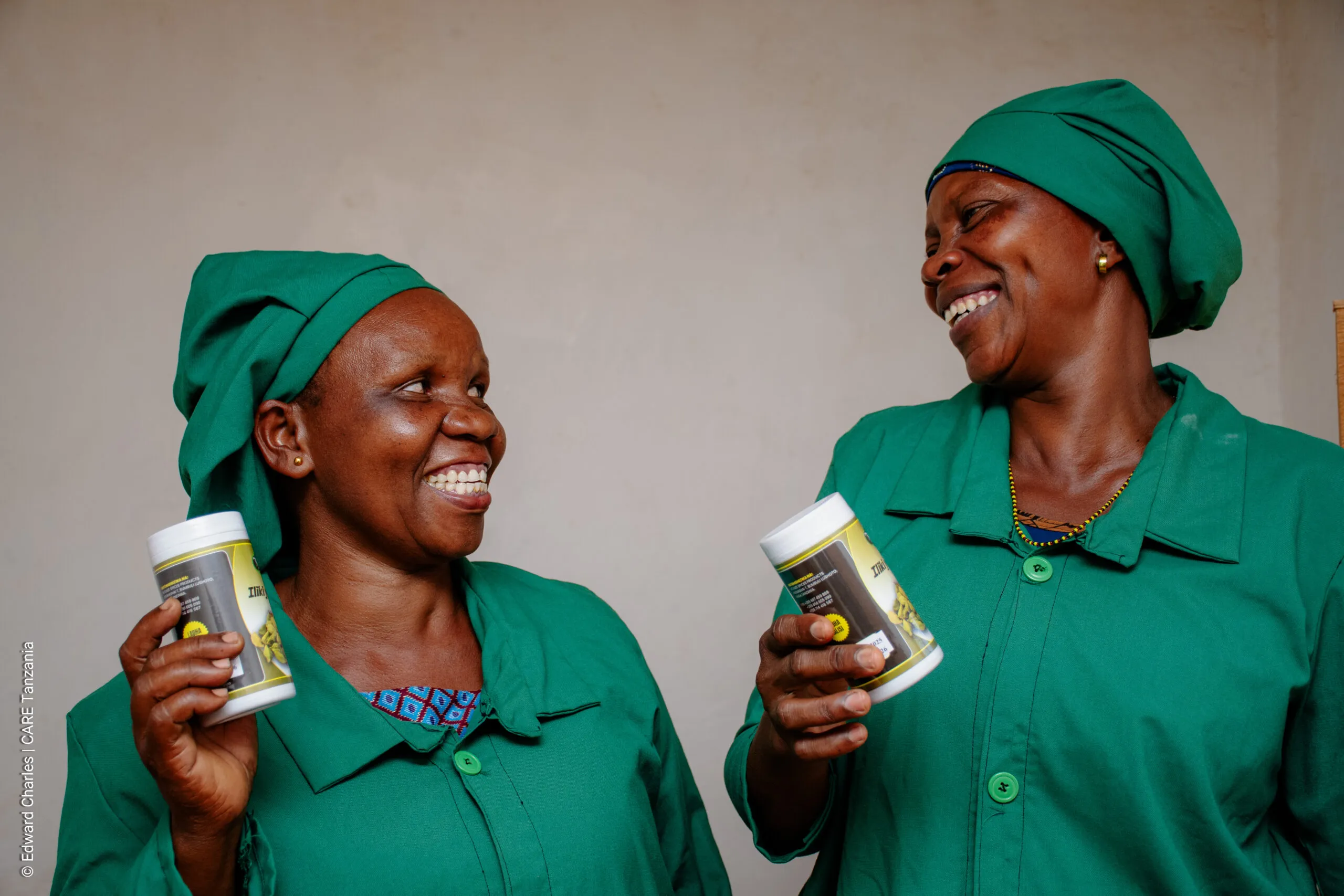
Anna William(L) and Zahida Ali (R) looking at one another smiling while holding a spice product. Kwemashai T, Bumbuli on Sunday afternoon November 30th, 2025. Photo: Edward Charles | CARE Tanzania.

Looking ahead, they have two clear ambitions.

The first is to purchase their own motorcycle to reduce transport costs and improve deliveries.The second is to obtain certification from the Tanzania Bureau of Standards (TBS), allowing Nitunze Spices to expand into larger and more competitive markets.

Before 2024, spice processing did not exist in Kwemashai T.

Today, six women have built a business that processes more than 60 kilograms of spices every month, supports 10 local farmers, serves around 50 regular customers, and has become one of the area’s recognised spice brands.

What began as a shared dream has become a growing enterprise; proof that when women have access to savings groups, business skills, technical training and the right support, they do more than build businesses.

They create opportunities that ripple through an entire community.

Back to Top